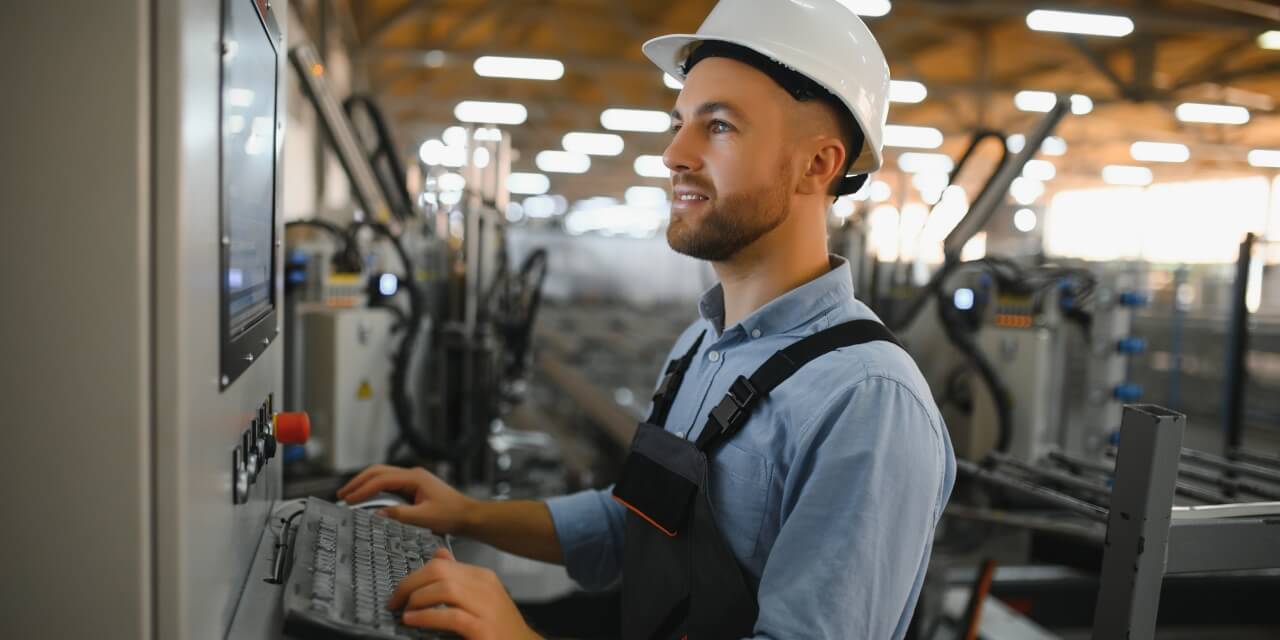
How Industrial Hygiene Drives Employee Retention and Workplace Satisfaction
Creating a safe and healthy workplace isn’t just about compliance—it’s about people. At Summit HSIH, we know that effective industrial hygiene protects more than physical health. It builds confidence, strengthens trust, and helps organizations retain skilled employees who feel valued and secure in their environment.
Industrial hygiene programs identify and control exposure risks before they become problems, helping teams work more efficiently and confidently. When employees feel supported and protected, they’re more likely to stay engaged, motivated, and loyal. That connection between well-being and retention makes industrial hygiene a strategic advantage, not just a regulatory requirement.
In this post, we’ll explore how industrial hygiene impacts employee satisfaction and retention, from exposure control to measurable results that help businesses thrive.
Understanding Industrial Hygiene and Its Core Principles
Industrial hygiene focuses on anticipating, recognizing, evaluating, and controlling workplace hazards that could affect employee health. These hazards may include chemical exposures, airborne contaminants, excessive noise, or ergonomic stressors.
By assessing conditions and implementing preventive controls, we help organizations reduce both immediate and long-term health risks. This proactive approach ensures workers have the protection and confidence they need to perform safely every day.
At Summit, our team partners with clients across industries to tailor hygiene programs that fit their operations—whether that means conducting air monitoring, conducting noise surveys, or developing exposure control plans that meet OSHA standards.
Managing Workplace Exposure Risks
Exposure risks vary by environment. In manufacturing, employees may be exposed to airborne dust or solvent vapors. In laboratories, chemical handling or ventilation issues can pose concerns. Even in office settings, poor air quality or ergonomic strain can affect comfort and performance.
Proactive Prevention Measures
Our approach emphasizes prevention through engineering and administrative controls, with personal protective equipment used when necessary. We work with organizations to integrate these measures into daily operations, ensuring safety remains part of ongoing performance management.
Ongoing Evaluation and Monitoring
Consistent evaluations and data-driven monitoring keep these programs effective over time, reducing the likelihood of health incidents that lead to absences or turnover. Regular audits also provide organizations with the data they need to demonstrate measurable improvement over time.
The Human Impact of Industrial Hygiene
Healthy employees are reliable employees. By addressing exposure hazards, organizations see fewer work-related illnesses and lower absenteeism rates. Regular testing and monitoring help catch potential issues early, keeping workers safe and operations steady.
When management invests in worker protection, it sends a clear message: safety comes first. This investment builds trust and reinforces a culture where employees feel their well-being matters. Over time, that trust strengthens commitment and loyalty across teams.
A clean, safe, and comfortable environment also influences how people feel about their work. Employees who see safety as a company priority are more likely to take pride in their roles, contribute ideas, and stay engaged long term. Industrial hygiene plays a quiet but influential role in creating that sense of belonging and shared responsibility.
Industrial Hygiene as a Retention Strategy
A well-managed hygiene program not only prevents injuries and illness but also improves overall comfort—from reducing noise fatigue to maintaining better air quality. These improvements contribute to job satisfaction and help organizations retain skilled employees in competitive industries.
Transparent Safety Communication
Transparency strengthens engagement. Sharing updates about air monitoring results, new control measures, or training initiatives helps employees understand how the company is protecting them. This ongoing communication reinforces mutual trust and encourages participation in safety initiatives.
Integrating Hygiene and Wellness Programs
When hygiene and wellness programs align, the benefits multiply. Together, they address both environmental and personal health factors, supporting not only compliance but also the physical and mental well-being of employees. This holistic approach fosters stronger connections between employers and their teams.
Measuring the ROI of Industrial Hygiene
Organizations that invest in exposure prevention see fewer sick days and lower healthcare expenses. By minimizing preventable illnesses and injuries, they improve productivity and reduce operational disruption.
Employees who feel safe are less likely to leave. Reduced turnover means fewer recruitment cycles and lower training costs. Workforce stability also leads to higher institutional knowledge and stronger team performance.
Safety excellence also strengthens reputation. Companies that prioritize worker health and well-being naturally attract high-performing talent. Over time, that reputation enhances brand value and reinforces a positive organizational culture.
Building and Maintaining Strong Hygiene Programs
Consistent risk assessments are the foundation of an effective program. Regular evaluations identify emerging risks before they escalate, allowing organizations to adjust quickly as operations evolve.
Training empowers teams to recognize hazards and respond appropriately. Through interactive instruction and hands-on demonstrations, we help workers understand their role in maintaining a safe workplace.
Ongoing feedback loops ensure programs stay relevant. Employee input helps refine processes, making them more practical and effective for everyday use. When everyone participates, hygiene programs remain adaptable and impactful.
Creating Safer Workplaces That Retain Talent
Industrial hygiene is more than a compliance requirement—it’s a long-term investment in people and performance. By fostering trust, protecting health, and enhancing daily work experiences, these programs directly influence employee satisfaction and retention.
At Summit HSIH, we partner with organizations to build proactive, sustainable safety strategies that balance regulatory compliance with real human impact. Together, we can create workplaces where teams feel protected, supported, and proud to stay.