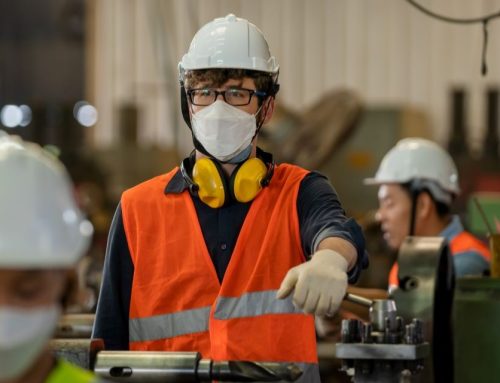
How to Create an OSHA-Ready Workplace
Ensuring worker safety and compliance means making your workplace OSHA-ready with effective industrial hygiene and safety practices. At Summit HSIH, we partner with organizations to implement these measures, going beyond basic requirements to foster secure, high-performing environments. This approach minimizes risks, supports sustainable operations, and demonstrates a lasting commitment to worker well-being.
Industrial hygiene forms the foundation of OSHA readiness by addressing exposures that could lead to health concerns. Through regular assessments and control measures, businesses can integrate safety seamlessly into their daily routines. Our consulting services help fill knowledge gaps, equipping internal teams with the insights and structure needed to meet and maintain compliance standards.
In this post, we outline key steps and trends for achieving an OSHA-ready workplace. From compliance fundamentals to consulting insights, these elements provide a practical roadmap for safety success.
Why OSHA Compliance Matters for Every Workplace
The Risks of Non-Compliance
Non-compliance can lead to serious consequences, including costly fines, operational shutdowns, and reputational damage. Beyond the financial implications, unsafe workplaces expose employees to preventable injuries and illnesses. Addressing these risks early prevents escalation, protects people, and preserves business continuity.
Operational Benefits of OSHA Readiness
OSHA readiness streamlines operations by reducing incidents and unplanned downtime. It enhances efficiency through better hazard management and boosts employee confidence in leadership. Ultimately, readiness drives smoother workflows and a stronger, more resilient workforce.
Implementing an Industrial Hygiene Program
Creating an OSHA-ready workplace starts with strong industrial hygiene practices. By understanding potential exposures and taking proactive steps to control them, organizations establish the foundation for long-term compliance and safety.
Identifying Workplace Hazards
Every successful program begins with a comprehensive site evaluation. This process identifies potential hazards – from chemical exposures to ergonomic strain – and provides a data-driven foundation for targeted interventions.
Conducting Risk Assessments
Once hazards are identified, formal risk assessments determine their severity and likelihood. The insights gained help prioritize actions, ensuring that the most critical risks are addressed first and resources are used effectively.
Developing exposure control strategies follows naturally. Engineering solutions such as improved ventilation or noise controls are prioritized, supported by administrative measures and personal protective equipment. Together, these layers of protection create a complete defense against workplace hazards.
Monitoring ensures continued effectiveness. Through ongoing testing, data analysis, and feedback, organizations can identify trends, close gaps, and continuously improve. This cycle of assessment and refinement keeps programs aligned with both OSHA standards and operational realities.
Emerging Trends in Safety and Compliance
Digital Safety Solutions for Modern Workplaces
Digital transformation has reshaped how organizations track compliance and manage safety data. Real-time monitoring, mobile audit tools, and automated reporting streamline documentation and training while reducing human error. These technologies support consistent oversight, even across multiple sites or shifts.
Sustainability and Safety: The ESG Factor
Sustainability and workplace safety now intersect more than ever. In the context of ESG (Environmental, Social, and Governance) standards, proactive safety measures demonstrate responsible operations and environmental care. Effective industrial hygiene reduces waste, minimizes emissions, and protects both workers and the surrounding community – reinforcing a company’s reputation for accountability.
How Safety Consulting Elevates Risk Management
Partnering with experienced health and safety consultants helps organizations strengthen internal programs and ensure nothing falls through the cracks. Our consultants provide objective insights that identify unseen vulnerabilities and support long-term improvement.
Safety audits are one of the most valuable tools in this process. Regular audits validate the effectiveness of existing controls and reveal opportunities for enhancement. By maintaining a continuous feedback loop, companies can prevent complacency, verify compliance, and foster a culture of accountability.
Implementation Roadmap: Building Your OSHA-Ready Workplace
Becoming OSHA-ready is best achieved through a structured, step-by-step approach. It begins with a baseline assessment to establish current performance and compliance levels. From there, organizations set measurable goals, implement training and control strategies, and establish monitoring systems that track progress over time.
This roadmap ensures comprehensive coverage across all aspects of workplace safety, from air quality to ergonomics, and provides a foundation for ongoing success. At Summit HSIH, we help organizations move beyond compliance toward sustainable safety excellence.
Building Safer Workplaces for Long-Term Success
An OSHA-ready workplace is more than a regulatory milestone – it’s a competitive advantage. By prioritizing health, safety, and compliance, organizations strengthen trust, improve performance, and protect their most valuable resource: their people.
At Summit HSIH, we partner with clients across industries to design, implement, and maintain proactive safety systems that align with OSHA standards. Together, we create workplaces that are not only compliant but built for long-term operational success.