

A Few of our Current and Past Clients
Credentials That Set Us Apart
With over 113+ years of combined Industrial Hygiene and OSHA Consulting experience, three Certified Industrial Hygienists, and four Project Managers holding science focused graduate degrees, Summit delivers technically precise and defensible projects grounded in both academic and field expertise.
Your Partner in Philadelphia for Industrial Hygiene Services
Summit supports Philadelphia employers with industrial hygiene consulting that connects field conditions, sampling data, and practical workplace controls. We help organizations understand whether employee exposures may require additional evaluation, engineering controls, administrative changes, PPE review, or program updates.
Philadelphia workplaces often combine healthcare, research, logistics, and older commercial or industrial building stock, which can make exposure sources varied and documentation needs more complex. Our team works with organizations across Philadelphia, the Delaware Valley, and the I-95 corridor to build assessment plans that fit the facility, workforce, and decision at hand.
Our Warranty
If an OSHA inspection identifies a gap or issue related to the exposures we assessed, we’ll provide corrective documentation, technical justification, or re-evaluation at no additional cost.
Our Most Common Client Services

Exposure Assessments for Chemicals

Exposure Assessments for Noise
Indoor Air Quality (IAQ) & Building Air Investigations

Technical Project Support (Federal/State & Non-Federal Projects)
Sound Level
Surveys
Real Time Particulate
and Dust Surveys
Facility monitoring using real-time direct-reading instruments to identify airborne particulate concentrations. Ideal for general dusts, wood dusts, paper dusts, agricultural dusts, mineral dusts, general particulates, diesel and gasoline particulates, aircraft emissions, welding fume particulates, and others.
This survey provides particulate trend data to help identify areas with elevated particulate concerns, their sources, and concentration levels.
Personal Protective Equipment (PPE) Identification
Quantitative Respirator Mask Fit Testing
Get in touch with a team member for a proposal or to discuss your exposure assessment project.


Exposure Assessment & Monitoring in Philadelphia
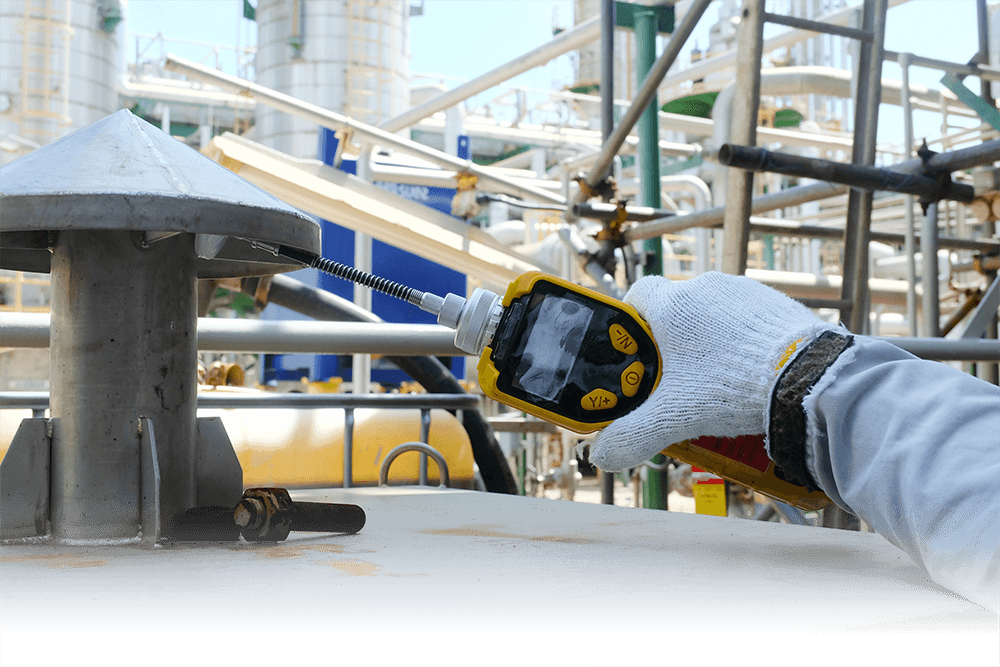
Summit provides exposure assessment and monitoring services to help employers identify and measure workplace hazards. Depending on the concern, an assessment may include personal sampling, area sampling, direct-reading instruments, noise dosimetry, ventilation review, indoor air quality evaluation, or review of work practices and chemical use.
For Philadelphia facilities, exposure concerns may involve laboratory chemical use, process dust, cleaning and disinfection chemicals, noise from production and facility equipment, and indoor air quality concerns in older buildings. Summit helps determine what should be sampled, when sampling should occur, and how the results should be interpreted for compliance and risk-reduction decisions.
Common examples of our monitoring services include:
Exposure Assessment & Monitoring in Philadelphia
Summit provides exposure assessment and monitoring services to help employers identify and measure workplace hazards. Depending on the concern, an assessment may include personal sampling, area sampling, direct-reading instruments, noise dosimetry, ventilation review, indoor air quality evaluation, or review of work practices and chemical use.
For Philadelphia facilities, exposure concerns may involve laboratory chemical use, process dust, cleaning and disinfection chemicals, noise from production and facility equipment, and indoor air quality concerns in older buildings. Summit helps determine what should be sampled, when sampling should occur, and how the results should be interpreted for compliance and risk-reduction decisions.
Common examples of our monitoring services include:
Hazard Recognition & Risk Evaluation in Philadelphia
Industrial hygiene begins with understanding the work. Summit evaluates tasks, materials, equipment, facility conditions, employee concerns, and available documentation to identify hazards that may require sampling or control. This may include review of chemical use, dust-generating work, noise sources, ventilation conditions, heat stress potential, or moisture and IAQ concerns.
By connecting observations with exposure data, Summit helps Philadelphia organizations prioritize controls and avoid spending time on issues that do not match the actual risk profile.
Control Strategies & Mitigation in Philadelphia
After hazards are identified and evaluated, Summit provides practical recommendations for controlling exposures. Controls may include ventilation improvements, process changes, enclosure or isolation, housekeeping changes, PPE review, hearing conservation support, respiratory protection program input, or employee communication and training recommendations.
Our goal is to help Philadelphia employers select controls that are technically sound, feasible for operations, and documented clearly enough for follow-through.
Training & Program Development in Philadelphia, the Delaware Valley, and the I-95 corridor
Summit can help develop or improve industrial hygiene-related programs for Philadelphia organizations, including exposure monitoring plans, hearing conservation support, respiratory protection documentation, hazard communication support, and procedures for recurring facility concerns.
Training and program support should reflect the actual hazards employees encounter. Summit helps translate technical findings into clear information that supervisors and workers can use.
Industries We Serve in Philadelphia, the Delaware Valley, and the I-95 corridor
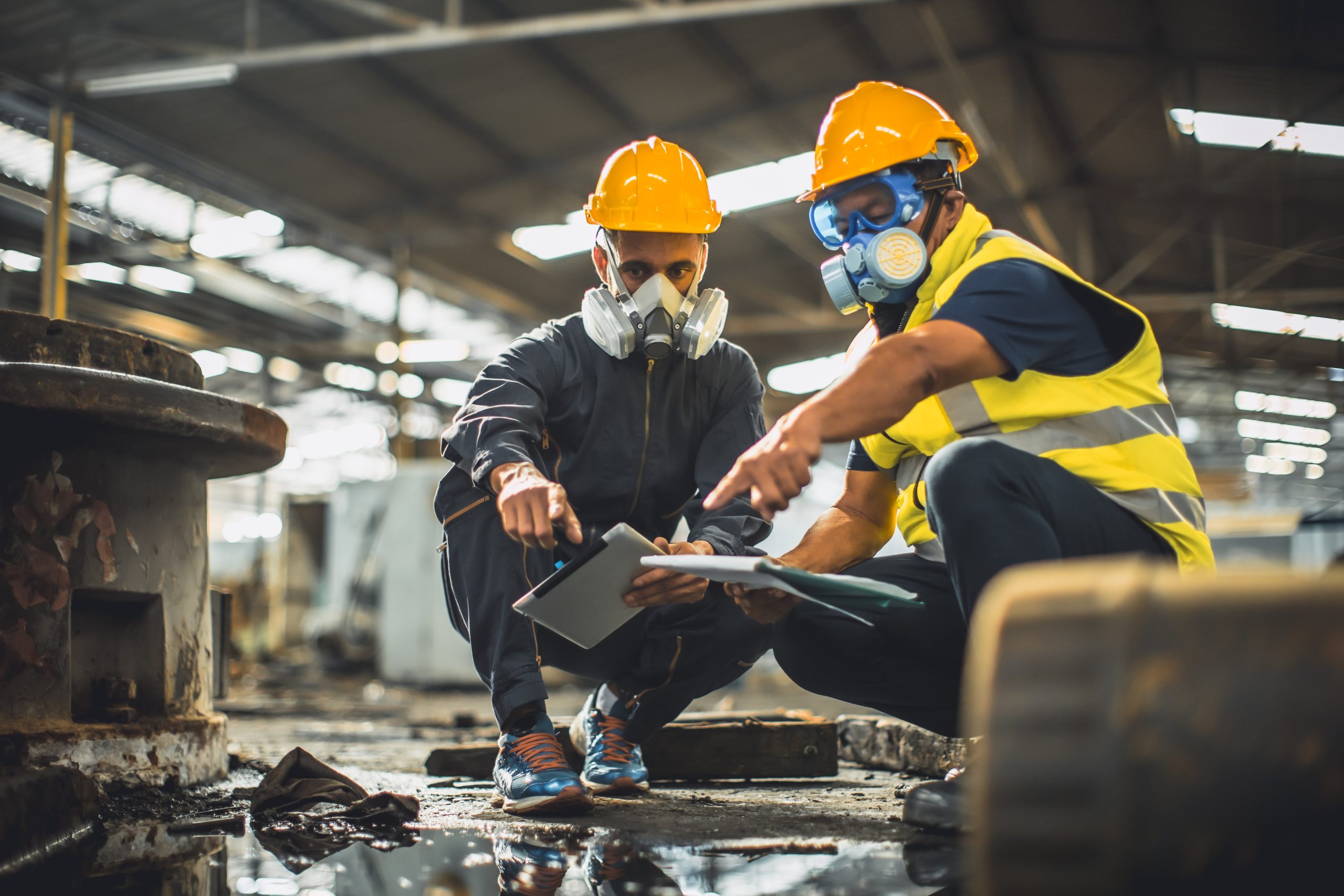
Summit provides industrial hygiene support for Philadelphia workplaces such as:
Each industry has its own exposure profile. Summit adapts the assessment strategy to the work being performed, whether the concern involves laboratory chemical use, process dust, or other employee exposure risks.
Why Philadelphia Businesses Trust Summit for Industrial Hygiene Services
Philadelphia employers choose Summit for Certified Industrial Hygienist expertise, clear reporting, and practical recommendations. Our team can support assessment planning, sampling, data interpretation, exposure-control recommendations, and follow-up program support.
Summit brings more than 113 years of combined team experience in safety management, OSHA compliance, and industrial hygiene.

“Summit helped us connect facility observations, sampling priorities, and corrective actions in a way our operations and safety teams could both use.”
— EHS Coordinator, Philadelphia-area employer
Frequently Asked Questions About Industrial Hygiene Services
Summit can discuss your facility, process, concern, or employee complaint and recommend a reasonable assessment approach.
Yes. Summit can provide reports that explain the assessment scope, methods, findings, interpretation, and practical recommendations.
Summit can evaluate chemical, physical, and biological hazards, including airborne contaminants, dust, fumes, noise, heat stress, ventilation concerns, and indoor air quality issues.
Industrial hygiene is the practice of identifying, evaluating, and controlling workplace health hazards. It helps employers understand exposure risks and make informed decisions about controls, documentation, and compliance.
Contact Summit Health Philadelphia for Industrial Hygiene Services
Talk with Summit about your Philadelphia workplace exposure concern, sampling need, indoor air quality question, or industrial hygiene program. We can help determine the right assessment approach and provide a scope that fits the facility and decision.
Use the contact form below or call Summit to discuss industrial hygiene support in Philadelphia, the Delaware Valley, and the I-95 corridor.
Get in touch with a team member to discuss your project
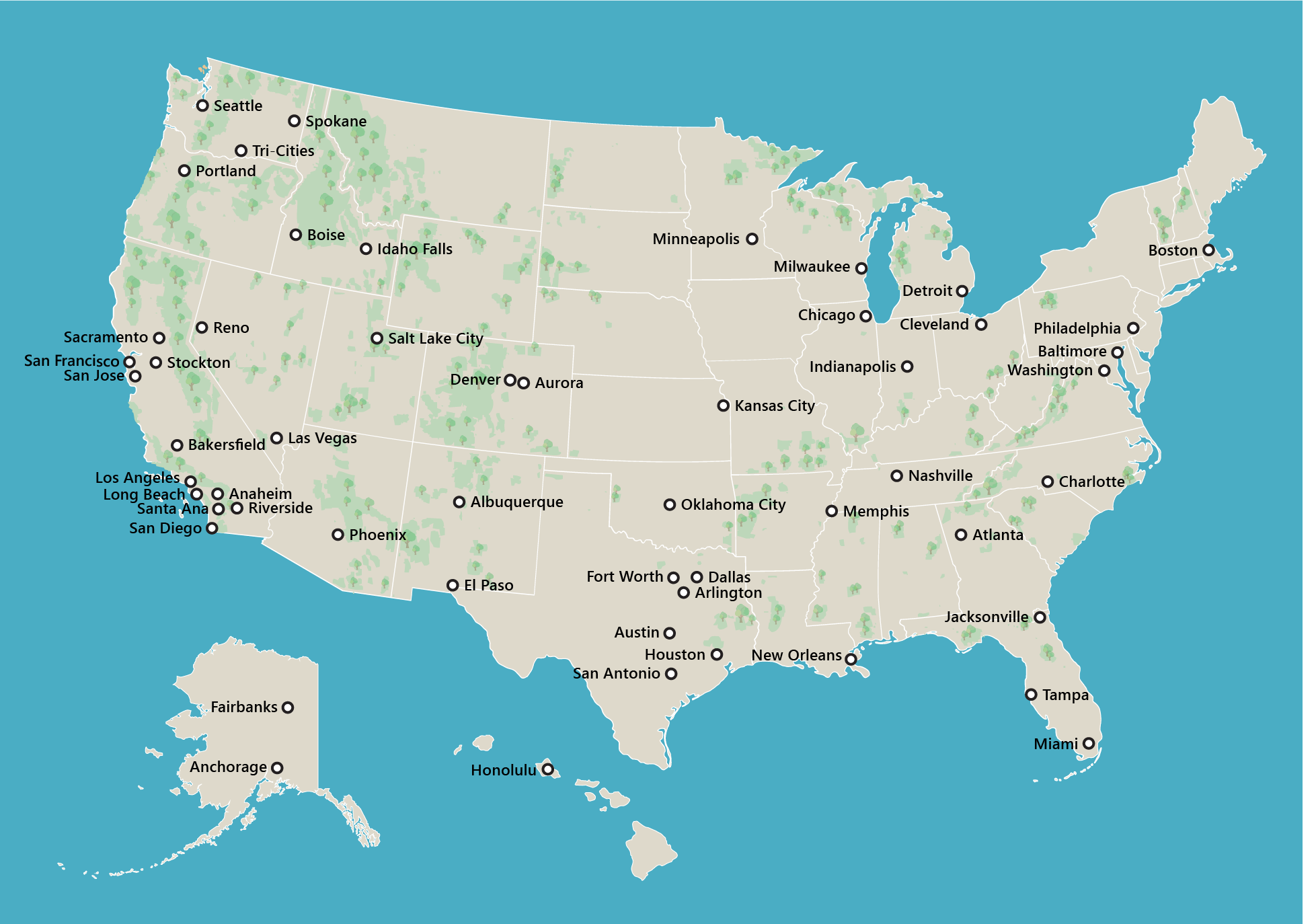
Our National Presence
About Us

John S. – Principal, CSP
Academic Background:
- M.S. in Industrial Hygiene – Montana Technological University
- B.S. in Safety & Health Management – Central Washington University
Years of Experience:
- 15+ years in industrial hygiene, OSHA, safety auditing, and EHS leadership
- Certified Safety Professional (CSP)
Profile:
John Sharpe, M.S., CSP, leads Summit with nearly two decades of consulting experience across safety and industrial hygiene. Summit supports organizations in construction, manufacturing, oil and gas, nuclear, lumber, research and development, and other technical work environments.

Michael D. – Senior Industrial Hygienist, CIH, CSP
Academic Background:
- M.S. in Industrial Hygiene & Environmental Management – University of Oklahoma Health Sciences Center
- B.A. – University of South Dakota
Years of Experience:
- 35+ years in industrial hygiene, environmental health, safety auditing, and OSHA safety
- Certified Industrial Hygienist (CIH)
- Certified Safety Professional (CSP)
Profile:
Michael D. brings extensive technical expertise to Summit’s industrial hygiene operations. He contributes to the development, review, and interpretation of sampling strategies and exposure findings across the full range of Summit IH projects including chemical assessments, noise surveys, IAQ diagnostics, dust and particulate evaluations, and multi-site monitoring. His background strengthens Summit’s ability to produce high-precision, defensible exposure assessments and ensures technical rigor in all IH and OSHA deliverables.

Stacey C. – Senior Industrial Hygienist, CIH, CSP
Academic Background:
- M.S. in Industrial Hygiene – Johns Hopkins University
- Graduate Certificate in Environmental & Occupational Safety – Johns Hopkins University
- B.S. in Biochemistry – Auburn University
Years of Experience:
- 20+ years in industrial hygiene, safety management, and regulatory compliance
- Certified Industrial Hygienist (CIH)
- Certified Safety Professional (CSP)
Profile:
Stacey C. enhances Summit’s IH capabilities through high-level technical review, sampling methodology evaluation, regulatory interpretation, and program refinement. She provides expertise that supports all Summit industrial hygiene and safety/OSHA offerings—including airborne exposure assessments, noise evaluations, IAQ studies, and hazard characterization work. Her contributions ensure that Summit maintains strong alignment with regulatory requirements and emerging IH best practices across its entire project portfolio.

Kimberly D. – Industrial Hygienist
Academic Background:
- M.S. in Industrial Hygiene – Montana Technological University (in process)
- B.S. in Environmental & Occupational Health (Industrial Hygiene emphasis) – California State University
Years of Experience:
- 5+ years in industrial hygiene and environmental health
Profile:
Kimberly D. supports Summit’s IH operations through exposure monitoring, hazard assessments, PPE evaluations, and technical reporting. Her work contributes to Summit’s chemical exposure assessments, IAQ studies, particulate evaluations, and general industrial hygiene surveys across varied operational settings.
Explore Related Safety Services
Discover more about Summit services for Philadelphia organizations:
Link back to our Philadelphia hub for comprehensive safety solutions
You may also find our blog helpful:
