Protect Workers with OSHA Safety & Hygiene Training
OSHA safety and hygiene training serves as a fundamental safeguard for workers, helping to mitigate risks and promote a compliant workplace. At Summit HSIH, we design these programs to equip teams with the knowledge needed to handle hazards effectively, from chemical exposures to equipment operation. This focus on education not only meets regulatory standards but also contributes to a healthier, more productive environment where employees feel valued and protected.
Investing in comprehensive training reduces the likelihood of incidents and supports long-term organizational stability. Workers who understand safety protocols are better prepared to identify potential dangers and respond appropriately, leading to fewer disruptions in operations. Our approach emphasizes practical application, ensuring that lessons translate directly into everyday practices that enhance overall well-being.
Explore the reasons this training remains crucial and the ways it benefits your organization. From the services we provide to the expertise behind them, this post covers essential elements to consider. By integrating these insights, you can strengthen your commitment to worker protection through informed, actionable education.
The Importance of OSHA Training in Workplace Safety
Understanding OSHA’s Role in Worker Protection
OSHA establishes and enforces standards to ensure safe working conditions across various industries. Its guidelines cover everything from hazard identification to emergency preparedness, providing a framework that protects employees from preventable harm. By adhering to these regulations, organizations demonstrate a dedication to ethical practices that prioritize human health over operational shortcuts.
Why Every Workplace Needs OSHA-Compliant Safety Training
Every workplace, regardless of size or sector, benefits from OSHA-compliant training to address unique risks effectively. These programs help close knowledge gaps that could lead to violations or injuries, fostering an environment where safety is a shared responsibility. Compliance becomes second nature when training is regular and relevant, reducing the burden on management while empowering the entire team.
Key Benefits of Investing in Employee Health & Safety Training
Investing in health and safety training yields multiple advantages, including decreased absenteeism due to fewer health-related issues. Employees gain confidence in their ability to navigate challenges, which in turn boosts morale and job satisfaction. Over time, this commitment translates into a stronger organizational culture that attracts talent and supports retention.
Training also streamlines compliance efforts by keeping everyone updated on standards and best practices. When workers are well-informed, they contribute to proactive hazard management, minimizing the need for reactive measures. This holistic benefit extends to financial savings through avoided fines and improved efficiency.
Furthermore, robust training programs enhance interdepartmental collaboration on safety matters. Teams learn to communicate risks clearly, leading to quicker resolutions and a unified approach. Such investments reinforce the idea that safety is integral to success, not an add-on.
Why OSHA Safety Training Is Essential for Your Workforce
Reduce Accidents, Near-Misses & Workplace Incidents
OSHA safety training directly contributes to fewer accidents by teaching recognition and avoidance of common hazards. Workers learn to spot early warning signs, such as improper equipment setup or environmental risks, allowing for immediate corrections. This preventive mindset shifts the focus from recovery to avoidance, creating smoother daily operations.
Near-misses, often precursors to serious events, decrease when training emphasizes reporting and analysis. Employees become adept at documenting these occurrences, providing data for ongoing improvements. As a result, patterns emerge that inform targeted adjustments, further solidifying a secure workplace.
Incidents overall decline as training instills habits like proper tool handling and emergency protocols. Consistent reinforcement through drills ensures retention of critical skills. Organizations see tangible reductions in downtime, preserving productivity while protecting lives.
Boost Compliance with OSHA & Regulatory Bodies
Boosting compliance starts with training that aligns closely with OSHA requirements, making audits less stressful. Participants understand documentation needs, from recordkeeping to hazard communication, ensuring all aspects meet scrutiny. This alignment extends to other regulatory bodies, creating a comprehensive adherence strategy.
Training updates keep pace with any changes in standards, preventing outdated practices from causing issues. Regular sessions incorporate the latest guidance, maintaining relevance across operations. Compliance becomes a proactive element rather than a reactive one, embedding it into the company ethos.
Enhanced compliance also builds credibility with inspectors and stakeholders alike. Well-trained teams demonstrate preparedness during reviews, often leading to positive outcomes. This reputation for diligence can influence partnerships and opportunities in regulated industries.
Lower Insurance Premiums Through Safer Operations
Safer operations, driven by effective training, often result in lower insurance premiums as providers recognize reduced risk profiles. Insurers evaluate incident history and safety measures, rewarding organizations with strong programs through favorable rates. This financial incentive underscores the value of consistent training investments.
Training minimizes claims by addressing root causes of common injuries, such as slips or exposures. Employees apply learned techniques to everyday tasks, decreasing the frequency and severity of events. Over time, this track record supports negotiations for better coverage terms.
Beyond premiums, safer environments cut indirect costs like lost wages and replacement hiring. Training fosters a cycle of improvement where data from safer practices informs further refinements. Organizations benefit from both immediate savings and long-term stability.
OSHA-Compliant Safety Training Services We Offer
General Industry OSHA Training
General industry training covers broad standards applicable to manufacturing, warehousing, and similar sectors. It includes topics like lockout/tagout procedures and electrical safety, tailored to common operational risks. Participants leave with actionable knowledge that integrates into routine workflows for sustained compliance.
This training emphasizes hazard recognition in diverse settings, from offices to production floors. Interactive elements, such as case studies, reinforce learning and encourage practical application. By focusing on real-world scenarios, it prepares workers to adapt standards to their specific roles.
Ongoing support post-training ensures concepts stick, with resources for refreshers available. Organizations can request follow-up sessions to address evolving needs. This comprehensive method builds lasting competence across the workforce.
Personal Protective Equipment (PPE) Training
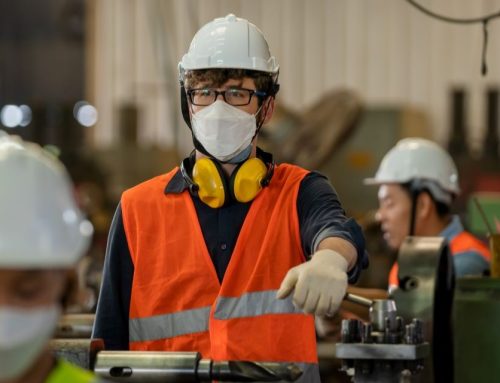
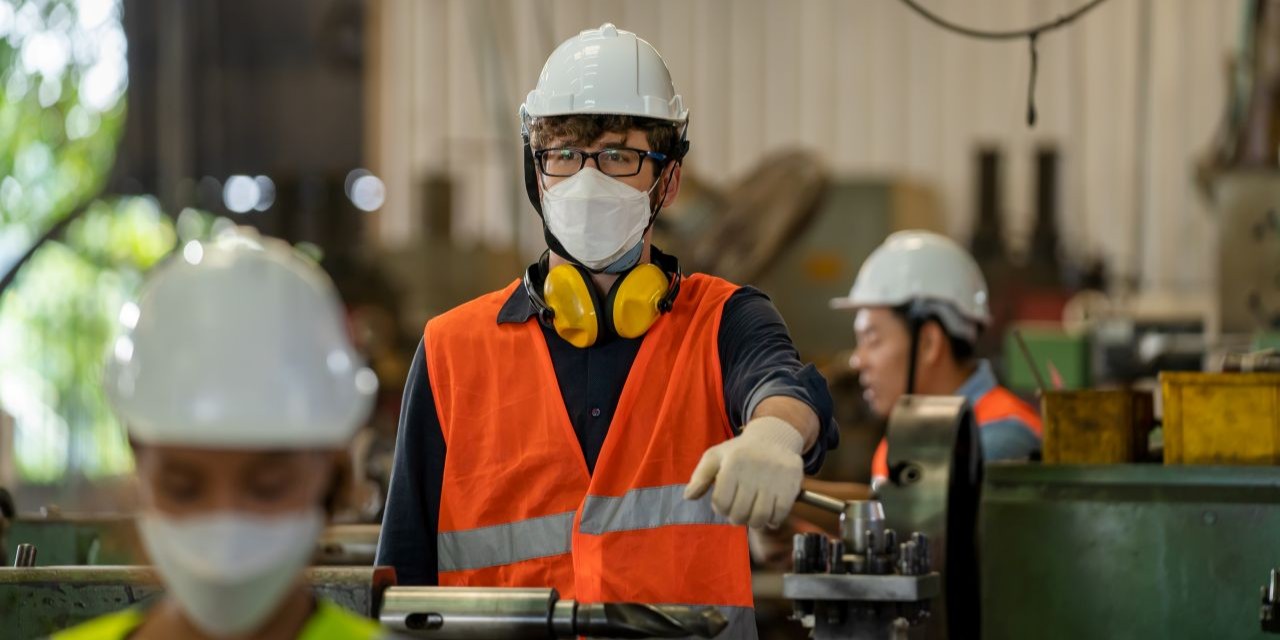
PPE training teaches selection, use, and maintenance of gear like gloves, helmets, and respirators. Workers learn to assess hazards and choose appropriate protection, ensuring effectiveness in various conditions. Proper fitting and inspection routines prevent failures that could lead to injuries.
Hands-on demonstrations allow participants to practice donning and doffing equipment correctly. This practical focus highlights common mistakes and their corrections, building user confidence. Training also covers storage and replacement guidelines to maintain gear integrity.
Integration with other safety protocols amplifies PPE’s role in layered defenses. Employees understand how it complements engineering controls for optimal protection. This holistic view maximizes the benefits of PPE in daily operations.
Construction Safety Training
Construction safety training addresses site-specific hazards, including fall protection and scaffolding use. It equips workers with skills for high-risk environments, emphasizing planning and teamwork. Compliance with standards like those for trenching and excavation is a core component.
Scenarios simulate job site challenges, teaching quick decision-making under pressure. Participants practice emergency responses, fostering readiness for unexpected events. This preparation reduces the inherent dangers of construction work.
Customization for project phases ensures relevance from groundwork to finishing. Training evolves with site progress, incorporating feedback for refinement. Organizations gain a safer, more efficient build process as a result.
Designed by Experts – Delivered by Certified Safety Professionals
Training Led by Certified Safety Professionals (CSP)
Training led by Certified Safety Professionals brings authoritative insights grounded in extensive experience. These experts hold credentials that validate their knowledge of complex safety dynamics. Their instruction draws from real applications, making abstract concepts tangible and applicable.
CSPs incorporate industry best practices into sessions, ensuring alignment with proven methods. They address participant questions with depth, drawing on diverse backgrounds. This expertise elevates training quality, leading to better outcomes for attendees.
Ongoing professional development keeps CSPs current with standards and innovations. This commitment translates to up-to-date content for learners. Organizations benefit from instructors who model lifelong learning in safety.
Onsite & Facility-Based Training Across Idaho
Onsite training delivers instruction directly at your location, minimizing travel and maximizing relevance. Sessions adapt to your environment, using familiar settings for demonstrations. This approach enhances retention by connecting lessons to immediate surroundings.
Facility-based options provide structured environments equipped for interactive learning. Groups from multiple sites can convene for collaborative experiences. Flexibility in scheduling accommodates operational demands across Idaho.
Both methods ensure accessibility for teams statewide, from urban centers to remote areas. Tailored logistics support seamless participation. This delivery versatility makes high-quality training attainable for diverse organizations.
Custom Curriculum Development for Industry-Specific Needs
Custom curriculum development starts with assessing your unique risks and goals. We craft content that targets specific challenges, incorporating your policies for cohesion. This personalization ensures training resonates and drives meaningful change.
Collaboration with your team refines the curriculum for precision. Input from stakeholders identifies key areas, resulting in focused modules. Iterative reviews guarantee alignment with operational realities.
Implementation includes evaluation tools to measure impact post-training. Adjustments based on feedback refine future sessions. This adaptive process supports continuous enhancement of safety practices.
FAQs
Does OSHA require safety training? Yes, OSHA mandates training for specific hazards and roles to ensure workers understand risks and protections. Programs must cover relevant standards, with documentation proving completion. This requirement applies across industries to maintain consistent safety levels.
What is OSHA safety training? OSHA safety training educates workers on regulations, hazard recognition, and preventive measures. It includes both general awareness and job-specific skills, delivered through various formats. The goal is to empower employees to contribute to a secure workplace.
What is OSHA workplace safety training? OSHA workplace safety training focuses on compliance with standards to protect against injuries and illnesses. It encompasses topics like emergency planning and equipment use, tailored to site needs. Effective training reduces violations and promotes a culture of vigilance.