The Importance of Environmental Monitoring on Construction Sites
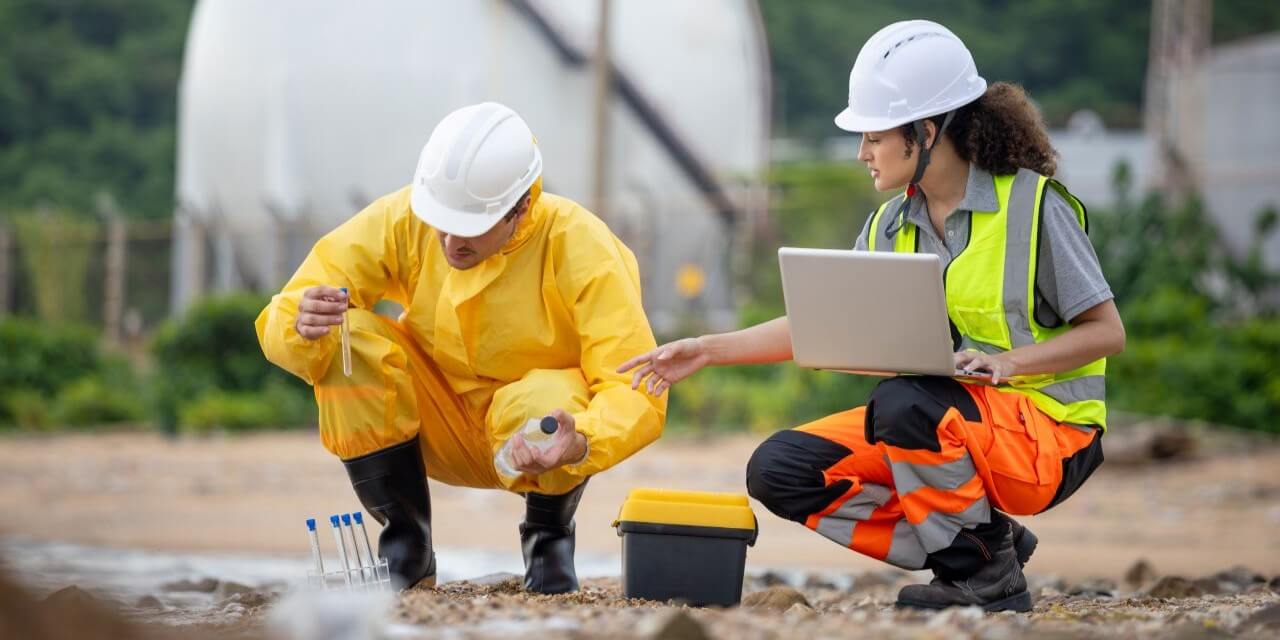
Environmental monitoring on construction sites is the planned measurement, observation, and documentation of site conditions that may affect workers, nearby occupants, surrounding properties, and the environment. A construction monitoring program may include dust and particulate monitoring, noise measurements, stormwater and runoff observations, indoor air quality monitoring near occupied spaces, and documentation tied to permits or project requirements.
For construction leaders, environmental monitoring solutions are not just a compliance exercise. They provide defensible field data that helps teams identify problems early, respond to changing site conditions, and document the steps taken to manage environmental and health-related risks.
What Is Environmental Monitoring in Construction?
Environmental monitoring in construction is the process of evaluating site conditions before, during, and sometimes after construction activities. The goal is to understand what the project may be releasing, disturbing, or creating, then use that information to guide controls, communication, and documentation.
Depending on the site, monitoring may evaluate:
- Airborne dust, particulate matter, silica, or other construction-related air contaminants.
- Noise levels from heavy equipment, demolition, cutting, drilling, or other high-noise work.
- Stormwater runoff, sediment, concrete washout, fuels, oils, or construction chemicals.
- Indoor air quality impacts during renovation, remodeling, or work near occupied buildings.
- Work areas where site activity could affect employees, tenants, neighboring properties, or the public.
Good env monitoring and assessment starts with the actual work being performed. A demolition project, roadway project, healthcare renovation, industrial expansion, or occupied-building remodel may each require a different monitoring plan.
Why Environmental Monitoring Is Important for Construction Projects
Construction sites change quickly. Weather, subcontractor sequencing, soil disturbance, material handling, ventilation conditions, and equipment use can all change exposure and environmental conditions from one day to the next. Monitoring helps project teams move from assumptions to measured information.
Environmental monitoring is important because it can help teams:
- Identify dust, noise, runoff, or air quality concerns before they become larger project issues.
- Document site conditions for owners, general contractors, regulators, or other stakeholders.
- Evaluate whether controls are working as intended.
- Support permit compliance, internal EHS requirements, or owner-driven project specifications.
- Make better decisions about work sequencing, containment, ventilation, water controls, or housekeeping.
- Reduce uncertainty when complaints, odors, visible dust, or unusual site conditions occur.
Monitoring does not replace good planning or safe work practices. It strengthens them by showing whether conditions in the field match the project team’s expectations.
Environmental Issues Commonly Monitored on Construction Sites
Airborne Dust, Silica, and Particulates
Construction activities such as cutting, grinding, drilling, excavation, demolition, sweeping, and material handling can generate airborne dust. In some cases, that dust may include respirable crystalline silica, depending on the materials and tasks involved.
OSHA’s construction guidance for respirable crystalline silica explains that covered employers must limit worker exposures and take protective steps, including using specified controls or measuring worker exposure and selecting appropriate dust controls. That makes dust and particulate monitoring especially important when a project involves concrete, stone, brick, block, mortar, or other silica-containing materials.
Summit’s industrial hygiene services include exposure assessment, direct-reading instruments, laboratory-supported sampling, and technical reporting for chemical, biological, and physical hazards. For construction projects, that kind of technical support can help teams determine whether the right controls are in place for the work being performed.
Noise Levels
Construction equipment, demolition work, saws, generators, compressors, and other tools can create noise levels that affect workers and, in some cases, surrounding occupants or neighbors. OSHA notes that construction noise and hearing conservation are addressed in specific standards, and construction employers must use administrative or engineering controls and a continuing, effective hearing conservation program when exposures exceed 90 dBA as an 8-hour time-weighted average.
Noise monitoring can help project teams understand where high-noise tasks are occurring, which employees or work areas may need additional evaluation, and whether controls or scheduling changes should be considered.
Stormwater, Sediment, and Runoff
EPA explains that stormwater can move loose soil, sediment, debris, chemicals, oil and grease, concrete washout, and other construction-site pollutants into storm sewers, rivers, lakes, or coastal waters. EPA also notes that Clean Water Act permit coverage is required for stormwater discharges from construction activity that disturbs one acre or more, or less than one acre when the activity is part of a larger common plan that will disturb one or more acres.
For many projects, environmental compliance monitoring includes observing erosion and sediment controls, documenting site conditions after rain events, reviewing dewatering controls, and tracking corrective actions when controls need maintenance.
Indoor Air Quality Near Occupied Spaces
Construction work near occupied buildings can create indoor air quality concerns when dust, odors, exhaust, moisture, or chemical use migrates into offices, hospitals, schools, production areas, or other active spaces. Indoor air quality monitoring may include particulate readings, carbon dioxide or carbon monoxide screening, VOC evaluation, ventilation observations, odor investigations, or other project-specific measurements.
This is especially important for renovation or expansion work where construction is happening close to employees, patients, tenants, customers, or sensitive operations.
Environmental Compliance Requirements for Construction Sites
Environmental compliance requirements vary by project location, site conditions, project size, contract requirements, and the work being performed. A monitoring program should be built around the specific permits, standards, owner requirements, and risk profile of the project.
Regulatory and Permit Requirements
Some construction monitoring requirements are tied to permits. Stormwater is a common example. EPA’s construction stormwater guidance identifies permit coverage requirements for construction activities disturbing one acre or more, or smaller activities that are part of a larger common development plan.
Other requirements may relate to worker exposure. OSHA’s silica construction guidance and occupational noise guidance are examples of why construction teams should understand when air or noise monitoring may be needed to support worker protection and compliance decisions.
Because requirements can vary by state, local jurisdiction, contract, and project type, project teams should avoid assuming that a generic checklist is enough. The monitoring plan should be matched to the work.
Documentation and Reporting Obligations
Monitoring only creates value when the data is understandable and usable. A strong construction environmental monitoring program should include clear documentation such as:
- Monitoring locations and dates.
- Instruments, methods, calibration records, or sampling methods.
- Weather or site conditions that may affect results.
- Work activities occurring during monitoring.
- Results, observations, and interpretation.
- Exceedances, complaints, or unusual conditions.
- Corrective actions and follow-up recommendations.
For owners, general contractors, and EHS teams, this documentation can support decision-making during the project and provide a record after the work is complete.
Consequences of Non-Compliance
When environmental conditions are not monitored or documented, construction teams may miss early warning signs. That can lead to preventable corrective work, schedule disruption, stakeholder complaints, worker exposure concerns, or enforcement risk if regulatory requirements apply.
The larger risk is uncertainty. Without reliable monitoring records, it becomes harder to show what happened, when conditions changed, whether controls were maintained, and how the project team responded.
How Environmental Monitoring Programs Work
An effective monitoring program should be practical enough for the field and technical enough to produce defensible information. The process usually includes:
- Define the project risks. Review the work scope, site setting, nearby receptors, materials, equipment, permits, and stakeholder concerns.
- Identify what needs to be monitored. Determine whether the project needs dust, noise, stormwater, indoor air quality, chemical, or other monitoring.
- Select methods and locations. Choose appropriate instruments, sampling methods, monitoring locations, duration, and frequency.
- Establish action levels or decision points. Define when results require notification, additional evaluation, control changes, or corrective action.
- Collect and document field data. Record measurements, observations, work conditions, weather, and instrument or sampling details.
- Interpret the results. Translate data into practical guidance for project managers, safety teams, owners, and contractors.
- Adjust controls as needed. Use the findings to refine containment, ventilation, housekeeping, scheduling, water controls, PPE, or other project controls.
The best environmental monitoring solutions are not one-size-fits-all. They are built around the site’s real conditions and the decisions the project team needs to make.
Choosing the Right Environmental Monitoring Services
When selecting environmental monitoring services for a construction project, look for a provider that can connect field measurements to practical project decisions. Technical data is useful only if the project team can understand what it means and what to do next.
Important capabilities include:
- Experience with construction, industrial, commercial, or sensitive occupied-site work.
- The ability to evaluate multiple concerns, such as air, dust, noise, IAQ, and compliance documentation.
- Appropriate field instrumentation and sampling methods.
- Clear reports that explain methods, results, limitations, and recommendations.
- Familiarity with OSHA, EPA, owner, and project-specific requirements when they apply.
- Communication that supports owners, contractors, EHS leaders, and project teams.
Summit provides CIH-led industrial hygiene services and OSHA consulting and auditing services for organizations that need technical assessment, compliance support, and field-informed recommendations. For construction projects, that combination matters because environmental monitoring often sits at the intersection of worker exposure, project safety, documentation, and environmental risk.
Building Smarter and Safer Construction Projects
Construction environmental monitoring helps teams see what is happening in the field, not just what was expected in the plan. It supports better decisions about controls, scheduling, documentation, communication, and compliance.
For owners, general contractors, EHS managers, facility leaders, and project teams, the value is practical: fewer unknowns, clearer documentation, and a stronger basis for action when site conditions change.
If your construction project involves dust, noise, stormwater, indoor air quality concerns, occupied-space work, or environmental compliance monitoring, Summit can help determine the right monitoring approach for your site and project phase.
Talk with Summit about your construction site, project phase, or exposure concern to determine the right environmental monitoring and assessment approach.
Environmental Monitoring FAQs
What is environmental monitoring on a construction site?
Environmental monitoring on a construction site is the planned measurement and documentation of site conditions such as dust, noise, stormwater runoff, indoor air quality, or other environmental concerns that may affect workers, nearby occupants, surrounding properties, or compliance obligations.
When does a construction project need environmental monitoring?
A construction project may need environmental monitoring when it involves significant soil disturbance, demolition, dust-generating tasks, high-noise work, stormwater permit requirements, work near occupied spaces, stakeholder complaints, or owner-driven EHS requirements. The right scope depends on the project, location, materials, and applicable requirements.
What does construction environmental monitoring include?
Construction environmental monitoring may include air and particulate measurements, silica or dust sampling, noise monitoring, stormwater observations, indoor air quality screening, field documentation, data interpretation, and recommendations for corrective actions or additional controls.
Is environmental monitoring the same as industrial hygiene monitoring?
They can overlap, but they are not always the same. Environmental monitoring often focuses on site conditions, surrounding impacts, stormwater, air quality, and compliance documentation. Industrial hygiene monitoring focuses on worker exposure to chemical, biological, and physical hazards. On construction projects, both may be needed.