The Role of Construction Management Services in Modern Industrial Operations
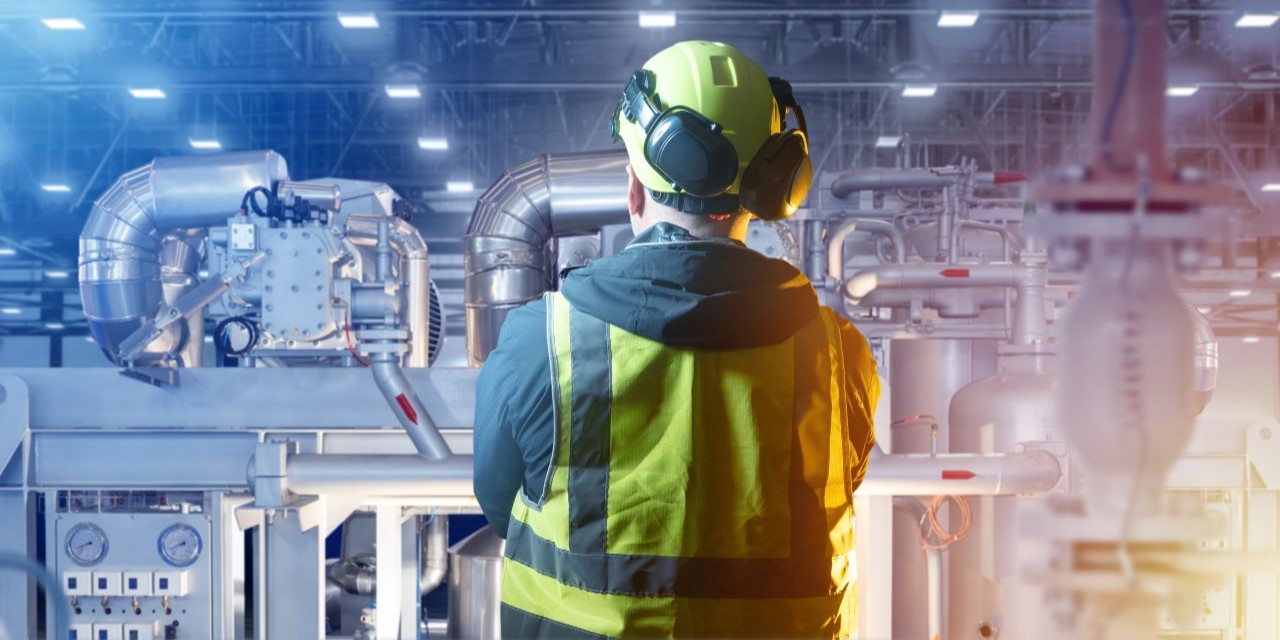
Industrial projects are more complex than ever. Facilities are expanding, regulatory expectations are rising, and organizations are under pressure to maintain productivity while keeping workers safe. In this environment, construction management services play a central role in guiding projects from concept to completion with clarity, structure, and reduced risk. These services create alignment between teams, support regulatory compliance, and help operations leaders maintain continuity even during major upgrades or expansions.
As industrial sites take on more ambitious initiatives, the margin for error narrows. A small oversight in workflow coordination, contractor oversight, or hazard recognition can lead to costly downtime or safety incidents. Effective construction management brings expertise that helps project teams anticipate risks and address them before they become problems. This ensures facilities remain productive while protecting the workforce and the surrounding environment.
Our work with industrial clients has shown that strong project oversight does more than keep schedules on track. It creates a safer, more predictable project environment. When organizations blend construction management services with workplace hazard assessments and other preventive safety measures, they gain a strategic advantage that strengthens both compliance and operational performance.
Coordinating Teams for Safer, More Efficient Projects
Large industrial projects depend on multiple subcontractors, vendors, and internal teams working in sequence. Without coordinated oversight, small communication gaps can lead to misaligned timelines, operational disruptions, or exposure to preventable hazards. Construction management services help close these gaps by establishing clear plans, milestone tracking, and communication structures that support safe project execution.
We work with operations leaders to ensure that coordination is not just administrative, but safety-oriented. This includes verifying that contractors understand site-specific rules, reviewing job tasks for potential risks, and aligning work schedules with production needs. As industrial operations continue to modernize, this level of coordination reduces stress on internal teams and ensures construction activities unfold in a controlled, predictable way.
In fast-paced industrial environments, this structured approach equips project leaders with the visibility needed to keep operations running smoothly. When subcontractors have clear expectations and safety requirements, projects move faster, and workers remain better protected.
Strengthening Compliance Through Integrated Oversight
OSHA compliance services are an essential component of safe project delivery, especially during periods of construction or facility expansion. Construction management teams help ensure that every phase of the project aligns with regulatory expectations by promoting safe work practices, reviewing required documentation, and supporting incident-prevention strategies.
This integrated oversight gives organizations confidence that their projects are advancing responsibly. We help leaders understand how regulatory requirements apply to evolving construction tasks and support the documentation needed for audits or inspections. This proactive approach reduces the risk of costly violations and keeps teams focused on maintaining a safe work environment.
For industrial operations balancing tight production schedules and regulatory responsibilities, this partnership creates space for teams to focus on their core work without compromising compliance.
Enhancing Safety with Workplace Hazard Assessments
Even well-planned projects introduce new variables into an industrial environment. Workplace hazard assessments help identify risks before construction begins and allow leaders to prepare controls that protect workers, equipment, and infrastructure. Construction management services rely on these assessments to guide safer project planning and maintain consistent safety standards throughout the duration of the project.
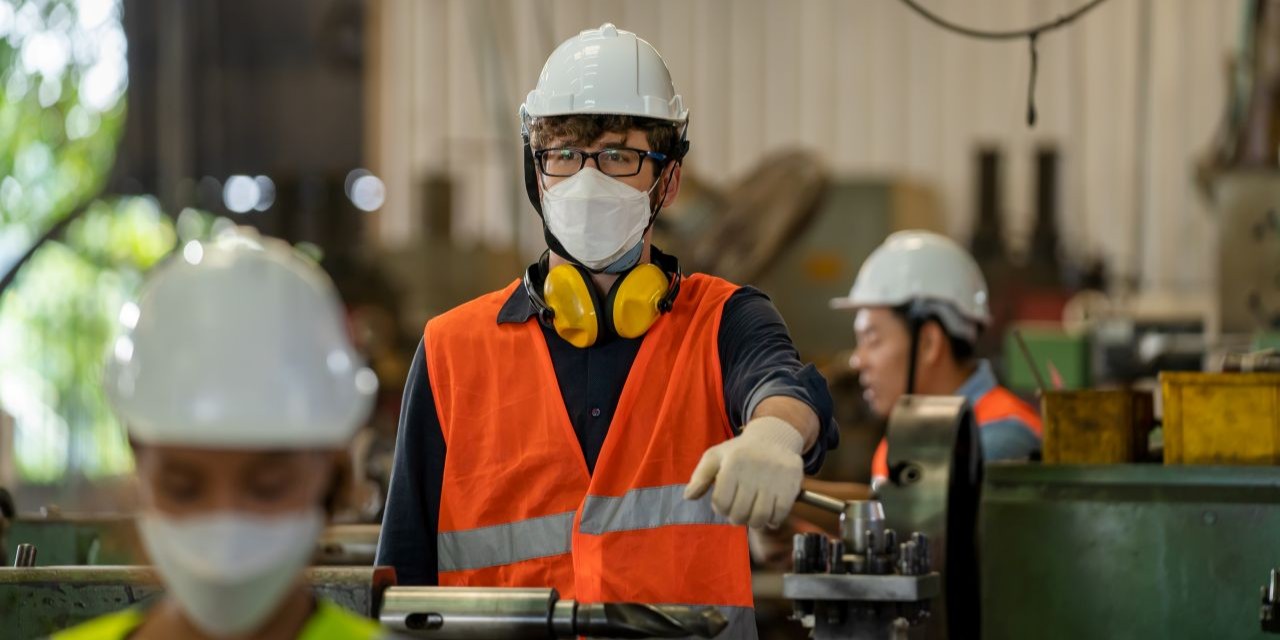
These assessments look at factors such as confined spaces, potential exposure to airborne contaminants, noise levels, ergonomic risks, and interactions between construction tasks and ongoing operations. The insights gained equip project teams to make informed decisions about training, personal protective equipment, and workflow sequencing.
For industrial facilities that operate at scale, this level of foresight helps prevent disruptions and creates a smoother, safer project experience for everyone involved.
How Industrial Hygiene Contractors Support Long-Term Risk Reduction
Industrial hygiene contractors contribute expertise that complements construction management efforts. By assessing exposure risks, recommending controls, and monitoring evolving site conditions, they help ensure that construction activities do not compromise long-term workplace health.
We often see organizations bring industrial hygiene contractors into major construction projects to evaluate ventilation needs, noise controls, or chemical exposure risks. Their findings shape safer work practices and reduce the likelihood of chronic health issues or regulatory challenges. When combined with construction management services, this support creates a comprehensive safety strategy that aligns the project with long-term operational goals.
This collaboration also strengthens the relationship between construction teams and internal safety personnel, creating a shared understanding of what it takes to maintain a healthy workplace even during disruptive periods of change.
A Strategic Approach to Safer, Smarter Industrial Projects
Industrial environments demand precision, coordination, and foresight. Construction management services give organizations a structured way to navigate these demands while advancing safety, efficiency, and compliance. When paired with workplace hazard assessments, industrial hygiene contractors, and OSHA compliance services, they form a powerful foundation for project success.
Organizations that invest in these integrated strategies see benefits that extend far beyond construction timelines. They build safer workplaces, reduce long-term risk, and strengthen their ability to adapt to evolving operational challenges. This proactive mindset positions industrial operations for both immediate success and sustainable long-term performance.