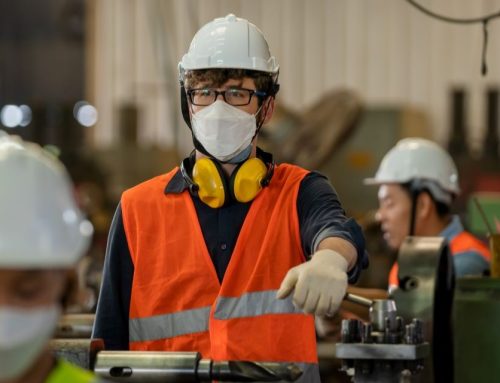
Understanding the Basics of OSHA Compliance
At Summit, we recognize that navigating OSHA compliance can feel complex, especially for small to mid-sized businesses without dedicated safety teams. Our mission is to simplify these requirements, providing practical guidance that helps owners focus on growth while ensuring employee protection. By understanding the fundamentals, we empower you to build a foundation of safety, reducing risks and fostering a productive environment.
OSHA, the Occupational Safety and Health Administration, sets enforceable standards to assure safe and healthful working conditions across most private sector employers and workers in the United States. We approach this by breaking them down into actionable insights, avoiding the overwhelm that often accompanies regulatory language. Our expertise allows us to translate these standards into straightforward strategies that align with your operations, making compliance achievable and sustainable.
Whether you’re just starting to explore OSHA or seeking to refine your existing programs, we’re here to offer the support you need. We believe that with the right tools and knowledge, compliance becomes an asset, turning potential liabilities into opportunities for improvement. Let’s delve into the essentials to equip you with the confidence to manage your responsibilities effectively.
What Is OSHA and Who Must Comply?
OSHA was established under the Occupational Safety and Health Act of 1970 to prevent work-related injuries, illnesses, and fatalities by setting and enforcing standards. Its mission focuses on ensuring employers provide workplaces free from recognized hazards that are causing or are likely to cause death or serious physical harm. We see this as a collaborative effort, where businesses of all sizes benefit from proactive adherence to these guidelines.
Most private sector employers with one or more employees must comply with OSHA standards, including those in states like Idaho, which operates under federal OSHA jurisdiction. Exceptions include self-employed individuals, farms employing only immediate family members, and industries regulated by other federal statutes, such as mining or nuclear energy. However, many small businesses assume they’re exempt due to size, but if you have employees, basic requirements like injury reporting and hazard communication often still apply.
Understanding coverage is key—OSHA covers nearly all workers in the U.S., and states with approved programs must meet or exceed federal standards. We recommend checking your state’s status; for instance, federal rules apply directly in Idaho. This knowledge helps avoid common misconceptions and positions your business for long-term safety success.
Key OSHA Compliance Requirements
Effective compliance starts with comprehensive safety training and documentation, which must cover job-specific hazards and be provided at no cost to employees. Employers are required to train workers on recognizing risks, using equipment safely, and responding to emergencies, with records kept for inspection. We emphasize tailoring these programs to your industry, ensuring they’re practical and regularly refreshed to maintain effectiveness.
Hazard communication is another cornerstone, mandating clear labeling of chemicals, accessible safety data sheets (SDS), and employee education on handling procedures. Proper signage for dangers, such as warnings for machinery or restricted areas, must be visible and maintained. This not only prevents accidents but also builds trust, as employees feel informed and prepared.
Injury and illness recordkeeping requires tracking work-related cases on specific forms, with summaries posted annually. We advise integrating this into daily operations to spot trends early, allowing for targeted improvements that reduce incidents. Together, these requirements form a robust system that protects your team and minimizes regulatory risks.
The OSHA Forms Every Employer Needs to Know
OSHA Form 300, the Log of Work-Related Injuries and Illnesses, records details like the nature of the incident, affected employee (without names for privacy), and resulting days away from work. It’s required for employers with more than 10 employees in most industries, kept for five years, and used to calculate incidence rates. We guide clients in accurate logging to ensure data integrity and support informed safety enhancements.
Form 300A serves as the annual summary of the Log 300, posted in the workplace from February 1 to April 30 each year to inform employees of the prior year’s incidents. It includes totals for cases, days lost, and job transfers, without personal identifiers. This transparency fosters accountability and helps identify areas for improvement proactively.
Form 301, the Injury and Illness Incident Report, provides in-depth details for each recordable case, including how the event occurred and contributing factors. Completion is needed within seven days of learning about an incident. Certain employers must submit Form 300A data electronically via OSHA’s Injury Tracking Application if they meet size or industry criteria. We assist with these forms to streamline the process and avoid errors.
How to Prepare for an OSHA Inspection
OSHA inspections can be unannounced, with inspectors reviewing records, interviewing employees, and walking the site to check for violations. They often prioritize imminent dangers, fatalities, complaints, or programmed high-hazard industries. We prepare clients by emphasizing organized documentation and a calm, cooperative demeanor during the process.
Common citation areas include fall protection, hazard communication lapses, and inadequate machine guarding. Inspectors look for consistent training proofs and proper PPE usage. By conducting internal audits regularly, you can address issues before they escalate, turning inspections into affirmations of your commitment.
Prepare your team through mock inspections and clear communication of rights, such as accompanying the inspector. Keep all safety programs, training logs, and SDSs readily available. This preparation not only reduces stress but also demonstrates a culture of safety, potentially leading to fewer findings.
Summit Health’s Role in Simplifying Compliance
At Summit, we assist small and mid-sized businesses with comprehensive OSHA compliance services, identifying gaps through mock audits and site inspections to mimic real OSHA processes. Our certified experts, including Certified Safety Professionals like our founder John Sharpe, conduct thorough evaluations to ensure your operations align with federal standards. We help develop and implement written safety programs, update them as needed, and provide practical strategies to maintain ongoing compliance.
We offer tailored training sessions on key topics like hazard communication and PPE, delivered by experienced facilitators to engage your staff effectively. For form preparation, we guide you through completing and submitting OSHA Forms 300, 300A, and 301, including electronic reporting where required. Our approach includes recordkeeping support to track incidents accurately and derive actionable insights for risk reduction.
Additionally, we provide citation assistance to resolve issues efficiently if an inspection occurs. By partnering with us, businesses gain access to over 75 years of combined team expertise, allowing you to focus on core operations while we handle the complexities. Contact us via our occupational safety services form to discuss how we can support your needs.
Final Thoughts: Make OSHA Compliance a Strength, Not a Struggle
Positioning compliance as a competitive advantage means viewing it as an investment in your people and processes, leading to lower costs and higher morale. We believe that with consistent effort and expert guidance, compliance becomes integrated seamlessly, driving efficiency and peace of mind. Encourage continuous improvement, and watch as it transforms potential weaknesses into robust strengths.
Reach out to Summit today to explore how we can tailor these insights to your business. We’re optimistic about the steps you take now for a safer tomorrow.