Understanding OSHA’s Hearing Conservation Requirements and the Role of Industrial Hygienists or Safety Consultants
Occupational noise exposure is a significant concern for many industries, ranging from manufacturing and construction to transportation and agriculture. Prolonged exposure to high noise levels can lead to permanent hearing loss, a condition known as occupational hearing loss. To mitigate this risk, the Occupational Safety and Health Administration (OSHA) has established specific hearing conservation requirements. These guidelines aim to protect workers from the detrimental effects of excessive noise and ensure workplace safety.
OSHA’s Hearing Conservation Standards
OSHA’s Occupational Noise Exposure Standard for General Industry (29 CFR 1910.95) requires employers to implement a Hearing Conservation Program (HCP) when workers are exposed to an 8-hour time-weighted average (TWA) of 85 decibels (dB) or more. The program is designed to reduce the risk of hearing loss by focusing on three key areas: noise monitoring, employee training, and the use of hearing protection. A few requirements of the Hearing Conservation Program Include:
- Noise Monitoring and Measurement: Employers are required to measure the noise levels in the workplace to determine whether they meet or exceed the 85 dB threshold. If noise levels meet or exceed this limit, a formal monitoring program must be established to assess the extent of the exposure.
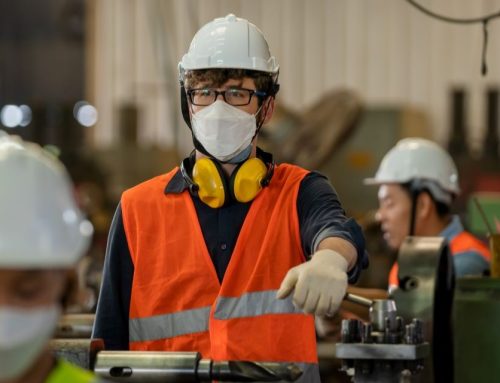
- Hearing Protection: Employers must provide workers with appropriate hearing protection such as earmuffs or earplugs. The protection must be fitted properly and maintained to ensure maximum effectiveness.
- Employee Education and Training: Workers are required to receive training about the risks of noise exposure and the importance of using hearing protection. Training should include the proper use and maintenance of hearing protection devices.
- Hearing Tests: Periodic audiometric testing is required to monitor employees’ hearing over time. If a worker’s hearing is found to have declined, further action must be taken to prevent further damage.

Why a Qualified Industrial Hygienist or Safety Consultant is Essential
One of the most critical aspects of OSHA’s hearing conservation requirements is accurately assessing noise levels in the workplace. Noise measurement must be precise and consistent, and this is where the expertise of a qualified industrial hygienist or safety consultant becomes invaluable.
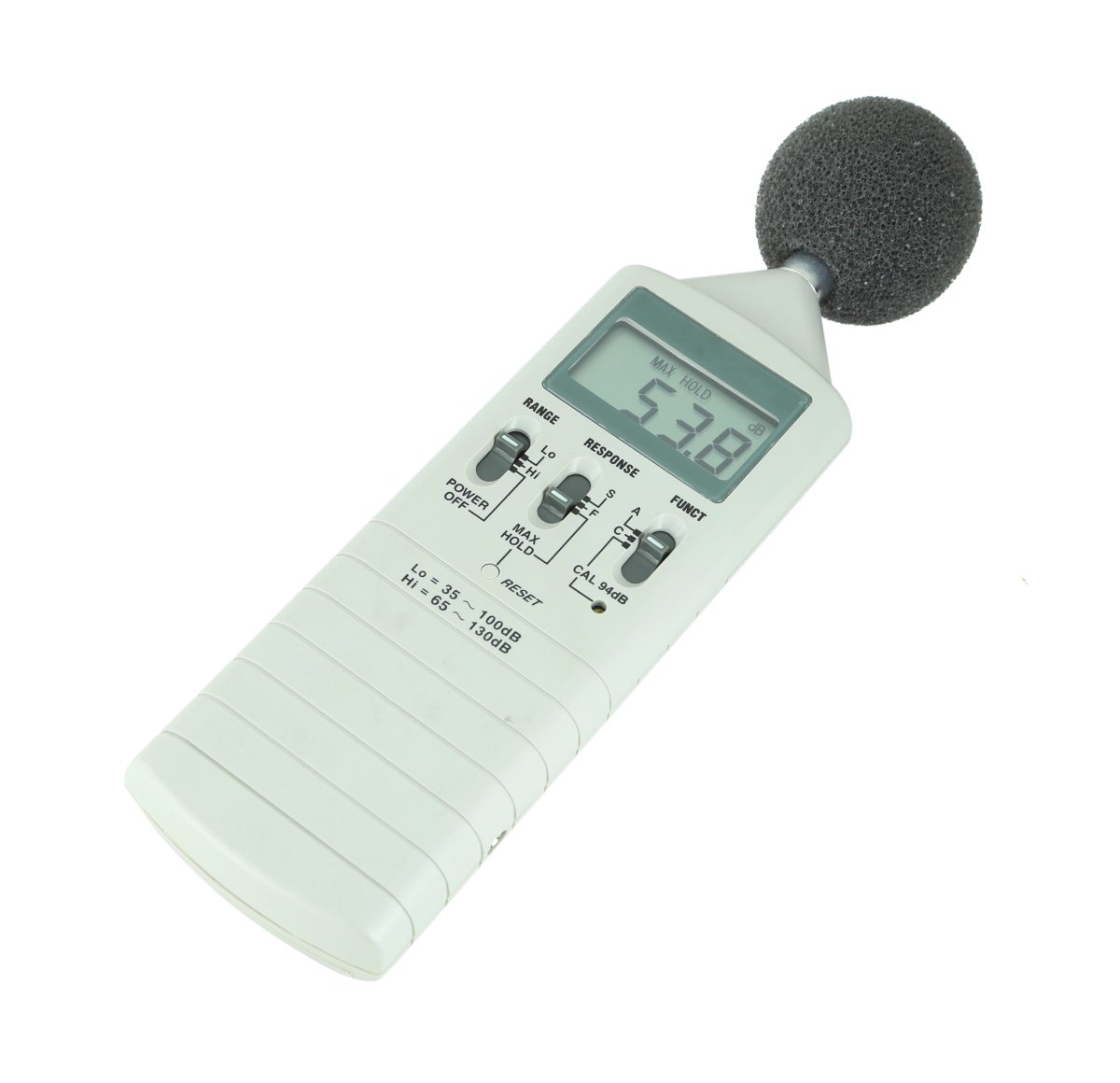
A qualified professional brings the necessary knowledge and equipment to assess the noise environment accurately. They use sound level meters and noise dosimeters to conduct thorough noise surveys, which involve both short-term and long-term monitoring. This allows them to identify not only which areas or processes are particularly hazardous but also to quantify the risk of hearing damage based on the specific conditions of the workplace.
An experienced industrial hygienist or safety consultant can also provide recommendations on how to reduce noise levels, such as implementing engineering controls (e.g., machine enclosures, noise barriers) or recommending administrative controls (e.g., rotating shifts to limit exposure time). They can also advise on the proper selection and use of hearing protection devices, ensuring they meet the specific needs of the workers and the workplace based on a detailed exposure assessment.
In conclusion, complying with OSHA’s hearing conservation requirements is not only essential for protecting workers’ health, but it also helps companies avoid penalties and improve workplace safety. By engaging a qualified industrial hygienist or safety consultant to measure and monitor noise levels, employers can ensure a more accurate and effective approach to preventing hearing loss and fostering a safer work environment.