OSHA Respirator Fit Testing for Healthcare & Industrial Workplace
OSHA respirator fit testing stands as a critical component in safeguarding workers against airborne hazards across diverse settings. At Summit HSIH, we emphasize this process to confirm that respirators provide the intended protection, aligning with regulatory demands while prioritizing employee health. Proper fit testing not only prevents exposure to contaminants but also integrates into broader safety strategies that support operational continuity and worker confidence.
Shifting toward advanced testing methods enhances accuracy, moving beyond basic checks to quantifiable results that ensure reliability. This evolution addresses the limitations of older approaches, offering data-driven assurance for tight-fitting respirators. Our comprehensive support extends to developing full programs that encompass selection, maintenance, and ongoing evaluations.
Discover the importance of fit testing and its role in respiratory protection. From compliance essentials to practical benefits, this post delves into key aspects for implementation. By understanding these elements, organizations can elevate their safety measures and protect their most valuable asset—their workforce.
Why Respirator Fit Testing Matters
Protecting Your Most Important Asset – Your Workers
Workers represent the core of any operation, and protecting them requires rigorous measures like respirator fit testing to ensure equipment functions as designed. This process verifies that seals prevent contaminant ingress, directly impacting health in environments with dust, fumes, or pathogens. Without it, even high-quality respirators may fail, leading to avoidable exposures and long-term consequences.
Fit testing empowers employees by confirming their gear’s effectiveness, fostering a sense of security in hazardous roles. Regular sessions build familiarity with proper usage, reducing errors during critical moments. Organizations that prioritize this demonstrate commitment to well-being, which in turn strengthens team loyalty and performance.
Beyond immediate protection, fit testing contributes to overall program integrity by identifying individual variations in facial structure or changes over time. Adjustments based on results, such as respirator model changes, optimize safety. This personalized approach minimizes risks and supports sustained productivity.
OSHA Compliance and Worker Safety
OSHA mandates fit testing to uphold worker safety standards, requiring annual evaluations for those using tight-fitting respirators. Compliance involves documenting results and addressing failures promptly, ensuring no gaps in protection protocols. This regulatory framework guides organizations toward consistent practices that prevent citations and enhance accountability.
Worker safety improves when fit testing integrates with training on respirator limitations and maintenance. Employees learn to recognize signs of poor fit, such as discomfort or leakage, prompting timely retests. This proactive stance aligns with OSHA’s goal of minimizing occupational illnesses related to respiratory hazards.
Adhering to these requirements also shields organizations from legal and financial repercussions. Thorough records demonstrate due diligence during audits, potentially mitigating penalties. Ultimately, compliance through fit testing reinforces a culture where safety is non-negotiable.
The Shift from Qualitative to Quantitative Fit Testing
The transition from qualitative to quantitative fit testing marks a significant advancement in precision and reliability. Qualitative methods rely on sensory detection of test agents, which can vary by individual sensitivity and introduce subjectivity. Quantitative approaches use instruments to measure leakage numerically, providing objective data for better decision-making.
This shift allows for tighter thresholds in high-risk environments, ensuring respirators meet stringent protection factors. Organizations benefit from reproducible results that support program audits and improvements. As technology evolves, quantitative testing becomes more accessible, encouraging widespread adoption.
Implementing quantitative methods requires initial investment in equipment and training, but yields long-term efficiencies. Accurate fits reduce rework and enhance confidence in protection levels. This progression aligns with broader trends toward data-informed safety management.
Full Respiratory Protection Support
Respirator Protection Plans
Respirator protection plans outline comprehensive strategies for selection, use, and evaluation to meet workplace needs. These documents detail procedures for medical evaluations, fit testing, and maintenance, ensuring all elements work cohesively. Regular reviews keep plans current with operational changes or new hazards.
Effective plans incorporate employee input to address practical challenges, improving adherence and outcomes. They specify roles for supervisors in overseeing compliance, fostering accountability across levels. This structured framework minimizes oversights and maximizes protection.
Plans also include provisions for storage and cleaning to preserve respirator integrity over time. Clear guidelines prevent degradation that could compromise safety. By centralizing these elements, organizations streamline implementation and sustain high standards.
Respirator Selection & Filter Guidance
Respirator selection involves matching devices to specific hazards, considering factors like contaminant type and concentration. Guidance on filters ensures compatibility, with cartridges rated for particulates, gases, or combinations as needed. This targeted approach optimizes protection while avoiding unnecessary complexity.
Expert evaluation of work conditions informs choices, factoring in duration and physical demands. Employees receive instruction on limitations, such as filter lifespan, to prevent misuse. Proper selection reduces exposure risks and enhances comfort for prolonged wear.
Ongoing guidance adapts to evolving threats, incorporating feedback on performance. Replacement schedules based on usage data maintain efficacy. This methodical process supports reliable respiratory defense in varied settings.
Industrial Hygiene Exposure Assessments
Industrial hygiene exposure assessments quantify airborne risks through sampling and analysis, informing respirator needs. These evaluations identify contaminants and levels, guiding protection factor requirements. Regular assessments detect changes, ensuring programs remain effective.
Data from assessments supports engineering controls to reduce reliance on respirators where possible. When PPE is necessary, results validate selections and fit testing protocols. This integration strengthens overall hazard management.
Assessments also comply with regulatory thresholds, documenting efforts to minimize exposures. Collaborative reviews with teams refine controls based on findings. This evidence-based method underpins robust safety initiatives.
Why Respiratory Protection is Essential for Worker Health
Choosing the Right Fit Test for Your Team
Selecting the appropriate fit test depends on respirator type and work environment demands. Quantitative tests suit scenarios requiring high precision, like healthcare or chemical handling, by measuring actual leakage. Qualitative options may suffice for less stringent needs, offering simplicity in administration.
Team considerations include size and diversity, ensuring methods accommodate all users effectively. Training on test procedures prepares participants, improving accuracy and comfort. The right choice balances rigor with practicality for optimal results.
Evaluating test frequency beyond annual requirements addresses changes like weight fluctuations or facial hair. Customized protocols enhance fit reliability over time. This thoughtful selection process bolsters respiratory protection.
Benefits of Onsite Testing for Your Medical Facility
Onsite testing brings convenience to medical facilities, allowing staff to participate without leaving duties. This minimizes scheduling conflicts and maintains operational flow during busy periods. Immediate results enable quick adjustments, keeping protection uninterrupted.
Facilities gain from tailored setups that simulate real conditions, enhancing test relevance. Certified administrators handle logistics, reducing administrative burden on internal teams. This efficiency supports high-volume testing for large staffs.
Onsite services also facilitate group sessions, promoting team awareness of respiratory safety. Follow-up consultations address individual concerns promptly. Overall, this approach streamlines compliance while prioritizing healthcare worker protection.
Risks of Inadequate Respirator Fit and Protection
Inadequate fit exposes workers to harmful substances, potentially causing respiratory issues or chronic conditions. Leaks undermine respirator efficacy, allowing contaminants to bypass filters despite proper selection. This gap heightens vulnerability in contaminated atmospheres.
Non-compliance risks include regulatory fines and operational shutdowns during investigations. Organizations face reputational damage from incidents linked to poor protection. Addressing these requires corrective actions that consume resources.
Health impacts extend to absenteeism and reduced productivity from exposure-related ailments. Preventive fit testing mitigates these by ensuring seals perform as intended. Vigilance in this area safeguards both individuals and organizational stability.
FAQs
Who can perform respirator fit testing? Qualified individuals with training in OSHA protocols, such as certified hygienists or safety professionals, can conduct fit testing. They must use approved methods and equipment to ensure validity. Organizations often partner with experts for consistent, compliant administration.
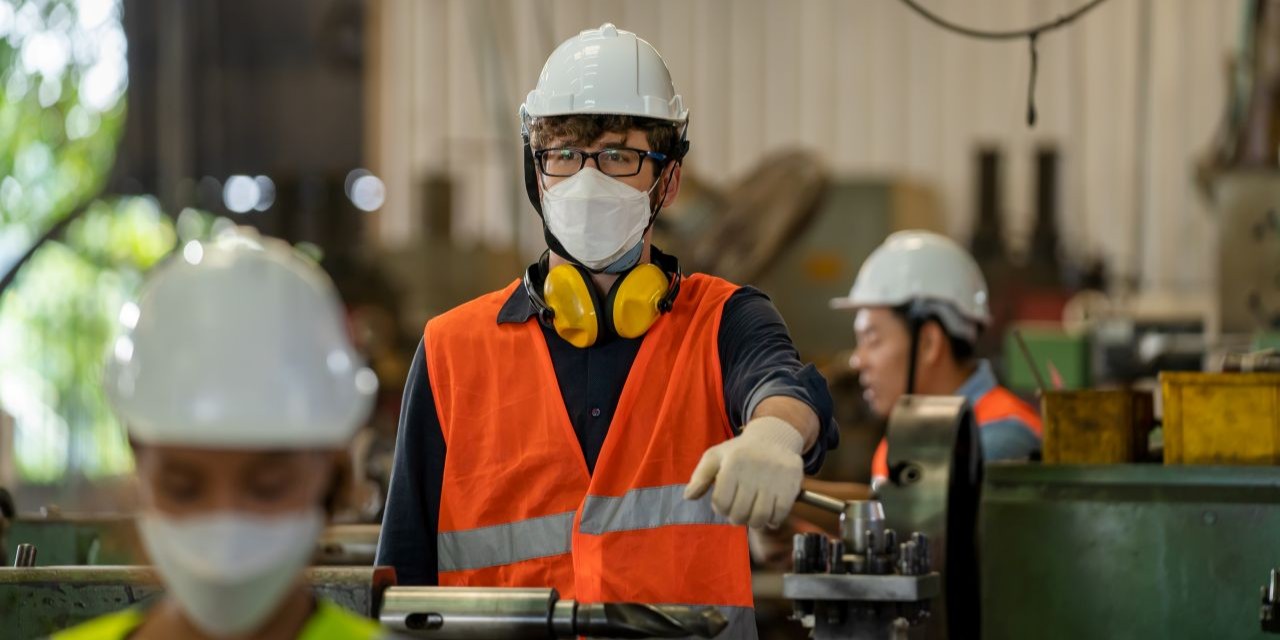
What is a respirator fit test? A respirator fit test verifies that a tight-fitting respirator seals properly to the wearer’s face, preventing leaks. It involves exposure to test agents or measurements while performing movements simulating work tasks. Results confirm the device’s effectiveness for the user.
What are OSHA respirator fit test requirements? OSHA requires initial and annual fit testing for tight-fitting respirators, plus retests after physical changes affecting fit. Methods must follow accepted protocols, with records maintained for review. Medical evaluations precede testing to confirm suitability.
Respirator Fit Testing is a Vital Safeguard
Respirator fit testing isn’t just a compliance requirement—it’s a vital safeguard for every employee who relies on protective equipment to do their job safely. At Summit HSIH, we help organizations move beyond the basics to build comprehensive respiratory protection programs rooted in precision, accountability, and care for worker well-being. From implementing quantitative testing to managing complete respirator plans and exposure assessments, our team ensures every step supports a safer, healthier workforce.
Ready to strengthen your respiratory protection program? Contact Summit HSIH today to schedule professional fit testing or speak with a safety specialist about developing a customized respiratory protection plan for your team.