The Importance of Safety Consulting to Minimize Project Risk in Construction
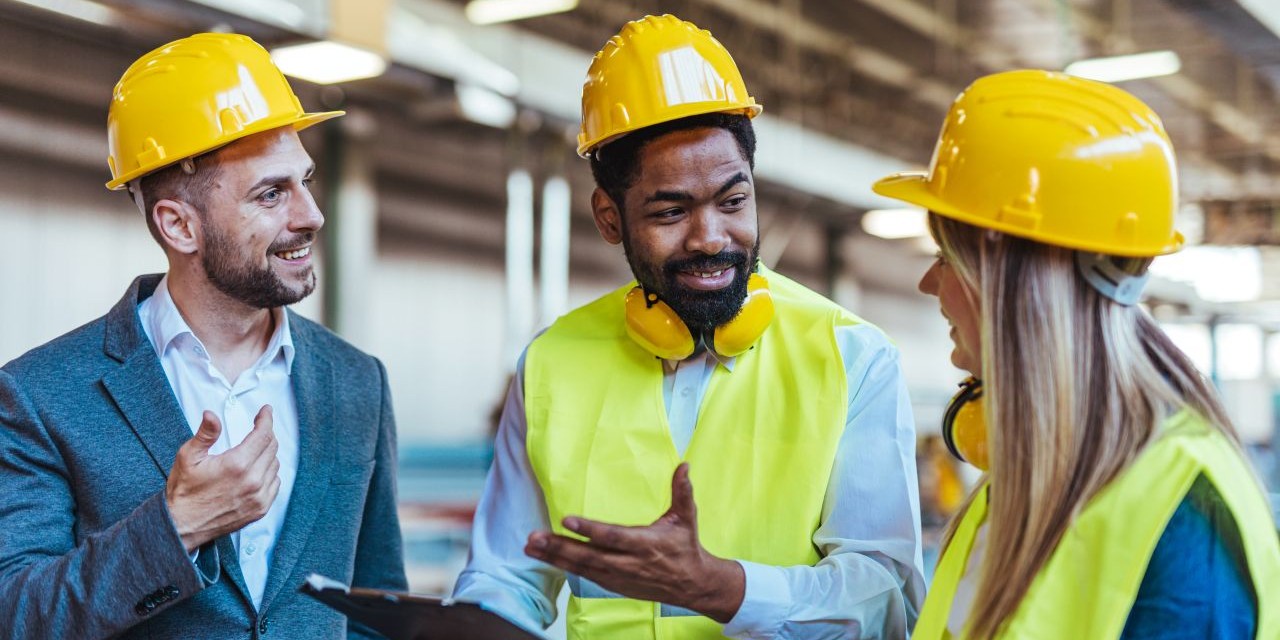
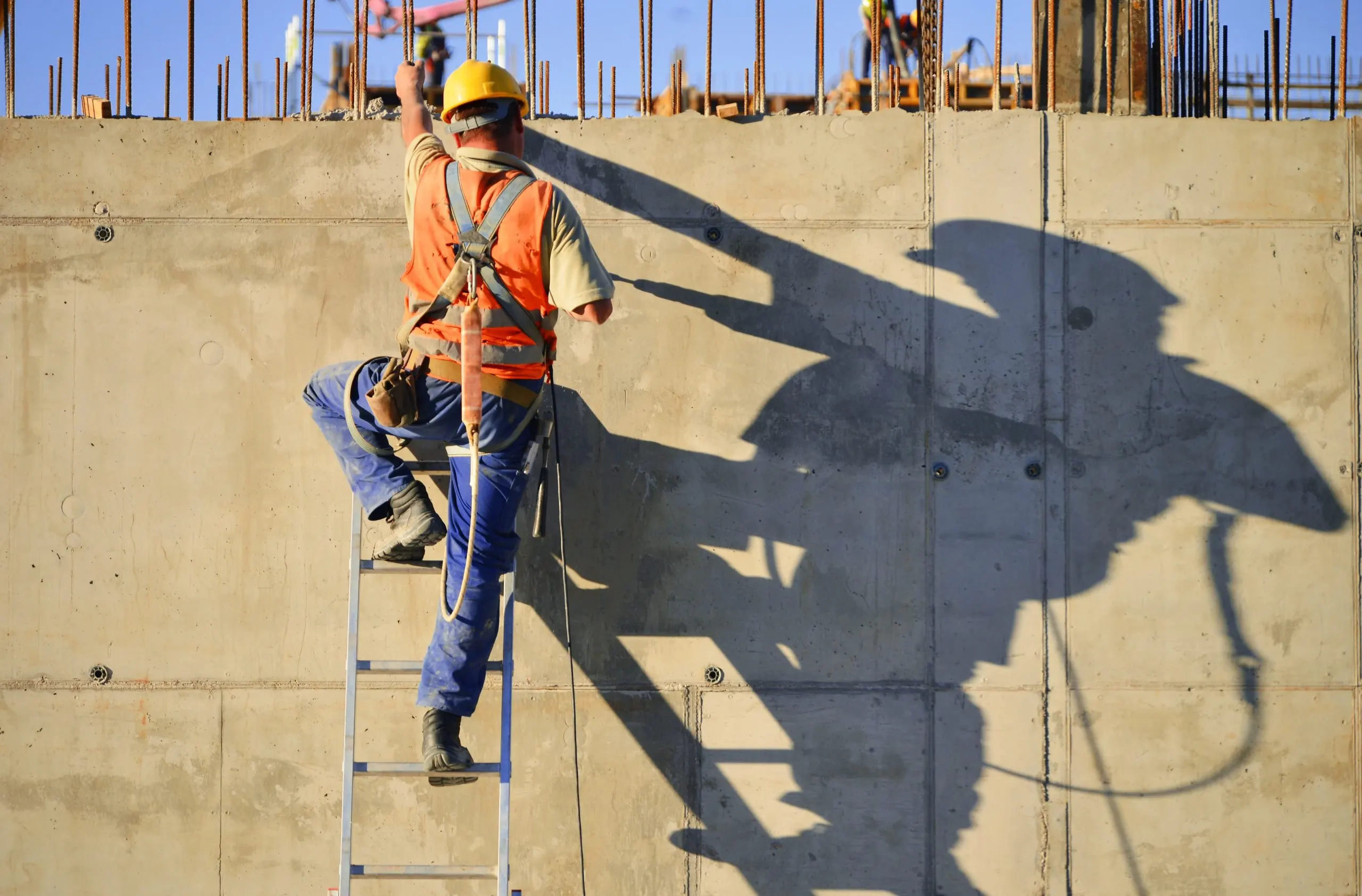 In the fast-paced world of construction, safety is a non-negotiable priority. Every project, whether it’s a high-rise building, a residential development, or infrastructure development, carries a unique set of risks. However, the success of any construction endeavor depends not only on timely completion and staying within budget but also on minimizing risks and ensuring the safety of all stakeholders involved.
The High Stakes of Construction Safety
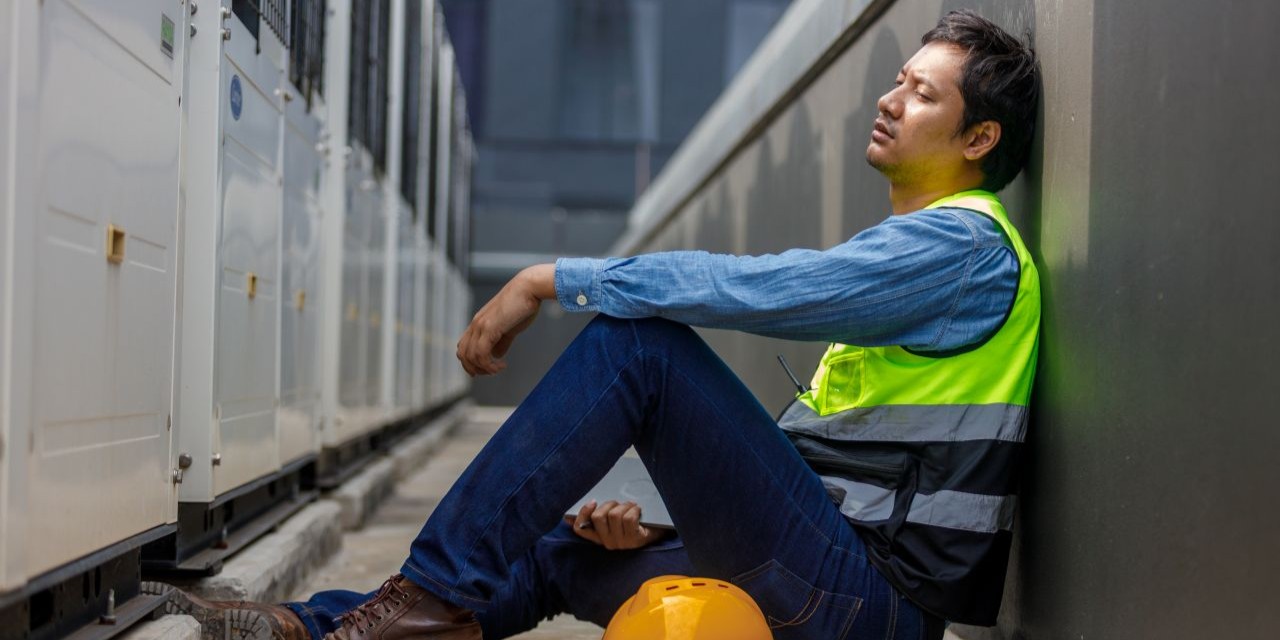
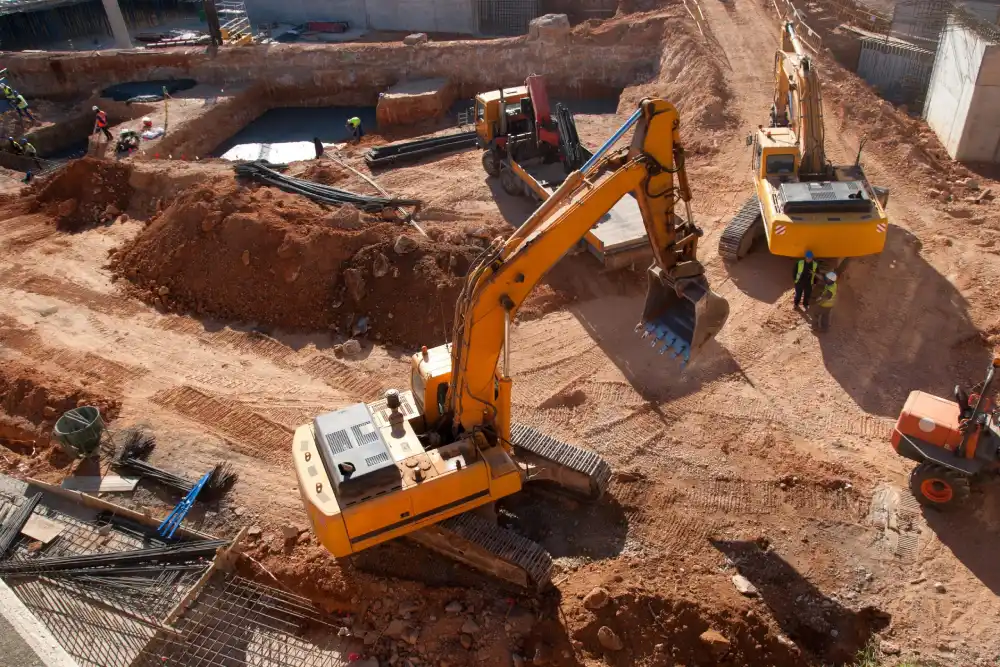
Construction sites are inherently hazardous. Workers face physical dangers from machinery, heavy equipment, falls, electrical hazards, and exposure to potentially harmful materials. According to the Occupational Safety and Health Administration (OSHA), construction workers are at the highest risk of fatal workplace injuries compared to other industries. From slips and falls to more serious accidents, the potential for harm is significant.
In addition to the obvious human toll, the financial consequences of accidents on construction sites can be severe. Delays from accidents can push back timelines, leading to missed deadlines, lost revenue, and a tarnished reputation for contractors. Litigation, fines, workers’ compensation claims, and increased insurance premiums can add further financial strain. Thus, the importance of minimizing risk in construction cannot be overstated and the use of professional safety consulting or safety management services are paramount.
Proactive Safety Measures for Risk Mitigation
Minimizing project risk requires being proactive. Construction firms must take a structured approach to safety through careful planning, training, and a consistent focus on compliance. Here are some key strategies to minimize risk on construction sites:
- Thorough Risk Assessment and Planning
Every construction project begins with a comprehensive risk assessment. This involves identifying potential hazards, evaluating the level of risk they pose, and establishing mitigation strategies. By planning for risks from the onset, construction firms can implement measures to reduce their likelihood and impact. - Effective Safety Training and Communication
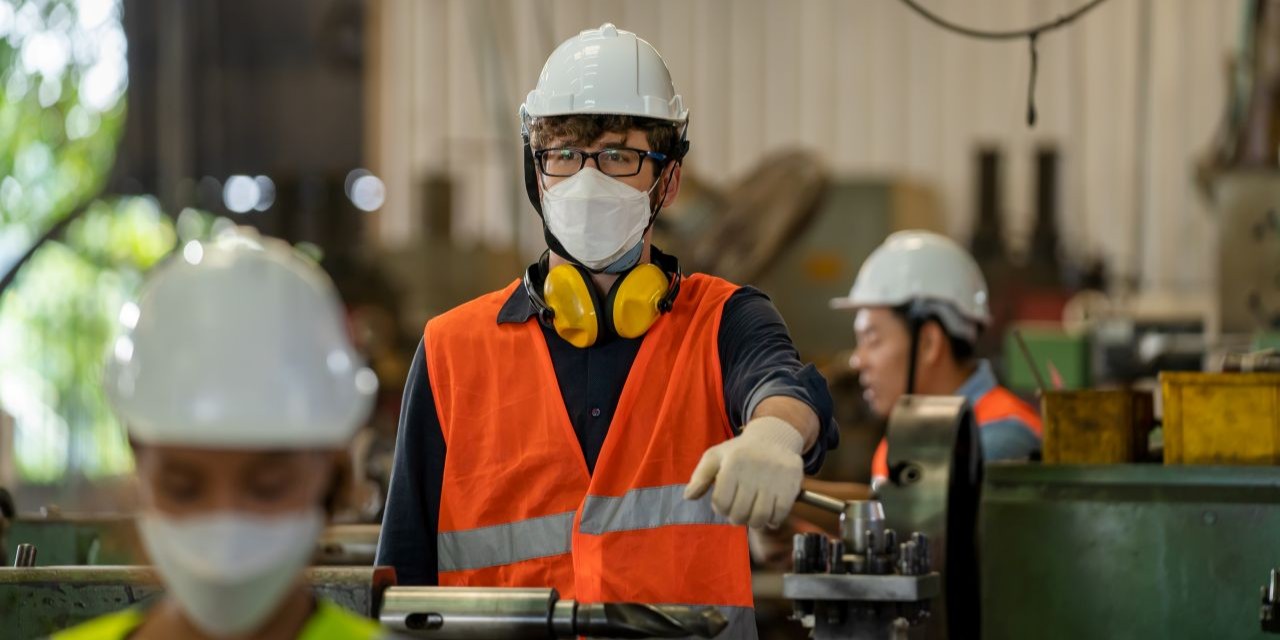
A well-trained workforce is essential to maintaining safety on-site. Construction workers must be trained on safety protocols, proper equipment handling, emergency procedures, and how to spot and report hazards. Ongoing communication throughout the project ensures that all team members are up to date with safety guidelines and potential risks. - Equipment and Tool Safety
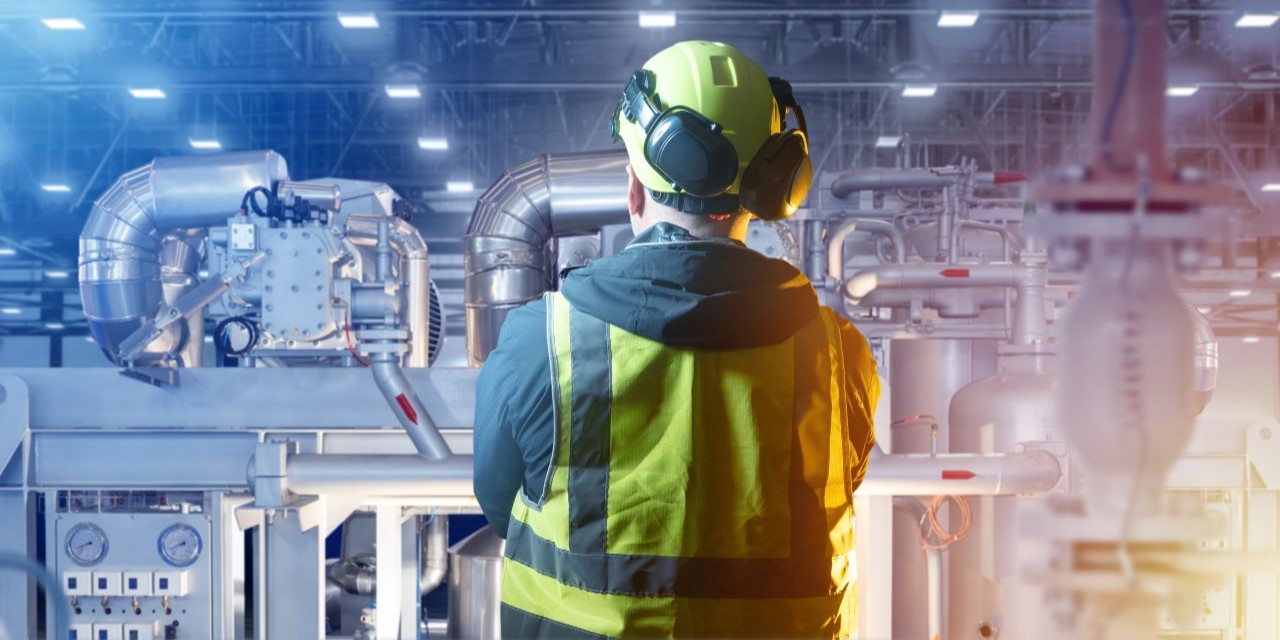
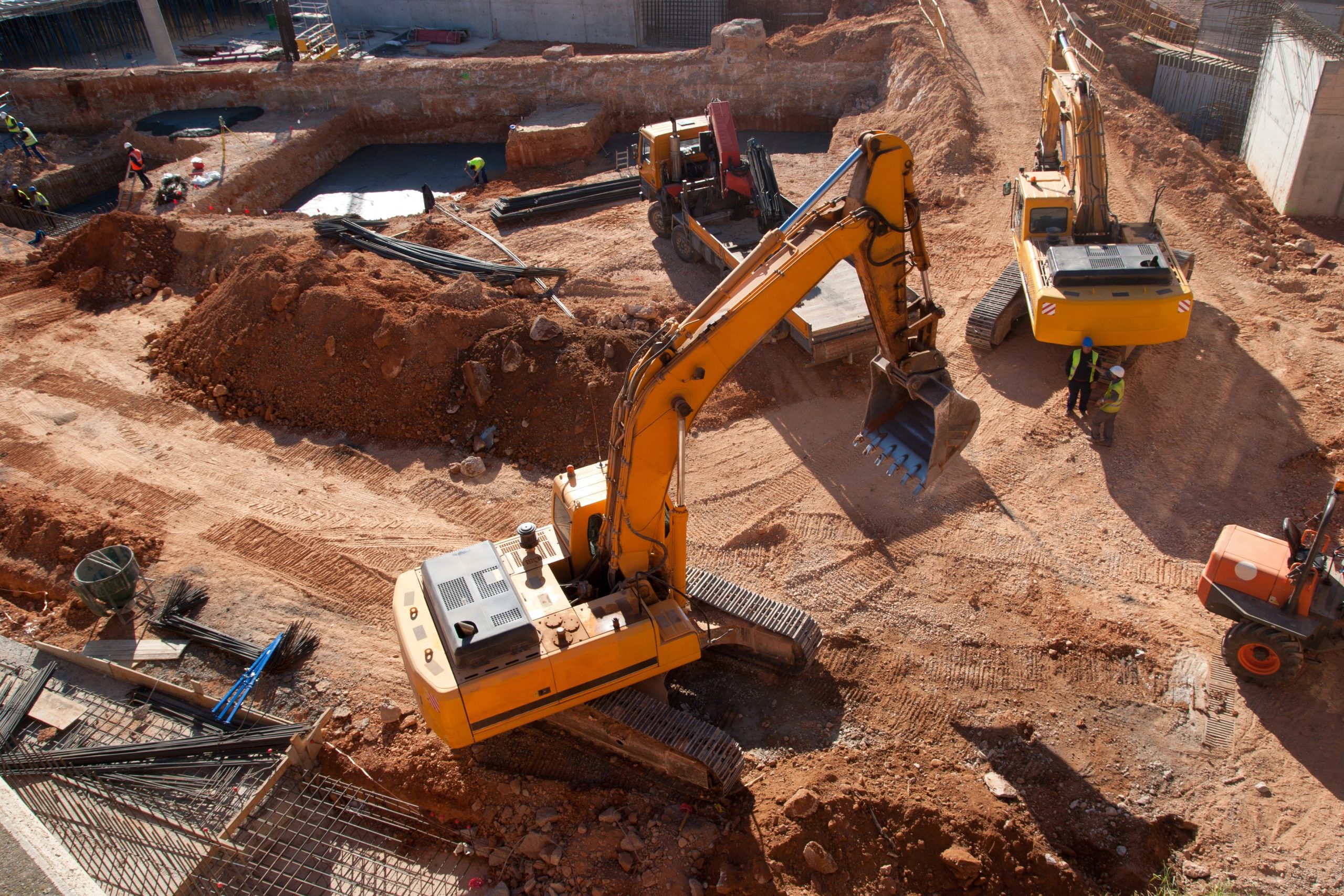
Proper maintenance and inspection of tools and machinery are essential. Regular checks for wear and tear, along with ensuring proper training for the use of heavy machinery, help to avoid accidents caused by equipment failure. - Compliance with Safety Regulations
Adherence to local, state, and federal safety standards ensures that construction sites meet the necessary legal requirements. Failure to comply with these regulations can not only increase the risk of injury but also result in costly fines and potential project shutdowns.
Conclusion
For construction companies, the risks associated with construction projects are significant, but they are not insurmountable. A proactive approach to safety, from initial planning to on-the-ground execution, is critical in minimizing risks and protecting workers, reputation, and profits. By focusing on safety, construction firms can ensure that projects are completed on time, within budget, and without unnecessary harm or delay. Safety consulting services are often the best pathway to reduce project risk and construction firms should consider the use of professional safety management services.